Newsletter "Beyond the Postcards" Subscribe
Plan Your Cyprus Trip: Hotels: Expedia, Villas & Apartments: Vrbo, Car Rentals: DiscoverCars, Tours: GetYourGuide, Airport Transfers: WelcomePickups
- Home
- Plan Your Cyprus Trip
- Cyprus Itineraries
- 14 Days in Cyprus
14 Days in Cyprus: A Two-Week Itinerary With Time For Second Encounters
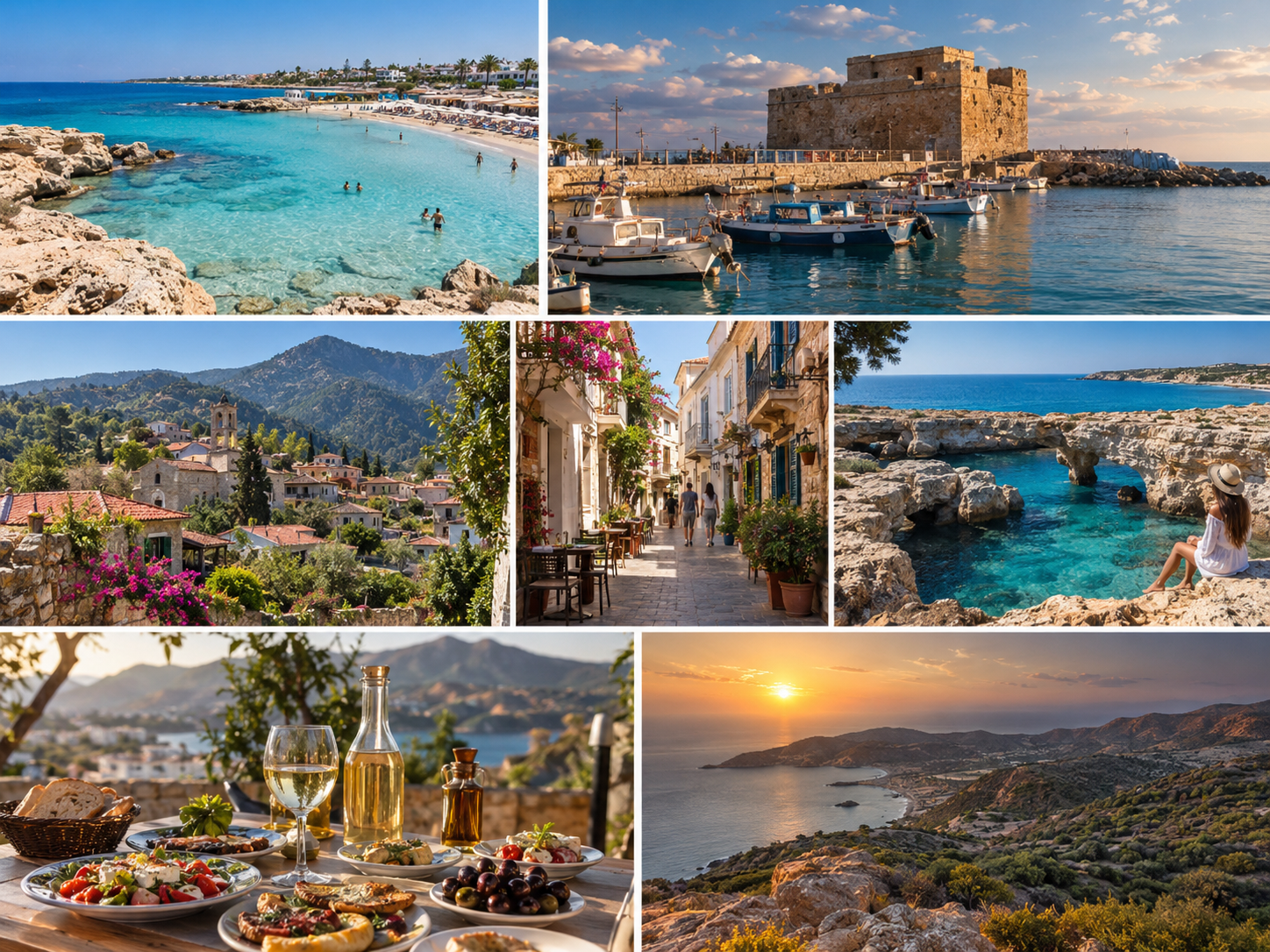
Two weeks changes the nature of a Cyprus trip.
With three days, every transition costs something. With five, familiarity begins to matter. Seven days can support two clear chapters. Ten days gives you enough experience to change your mind intelligently while you are there.
Fourteen days gives you something else: time to stop treating every day as progress.
You can stay somewhere after you have understood it. You can spend a second afternoon on the same coast without feeling that you should be elsewhere. You can sleep in the mountains rather than visit them between breakfast and dinner, and give Nicosia time because you care about the capital rather than because it needs to appear on an island checklist.
Most importantly, you can return somewhere.
That is how we would plan two weeks in Cyprus: not as a ten-day itinerary with four more attractions attached, but as a slower journey through several distinct parts of the island, with enough room for repetition, weather, long lunches and decisions made after arrival.
For most independent travelers, three or four bases are enough for 14 days. More than that needs a convincing reason.
The objective is not to prove that two weeks can cover Cyprus. It can. The more interesting question is whether, after two weeks, any part of Cyprus has had enough time to become familiar.
The Quick Answer: How Should You Spend 14 Days in Cyprus?
For a first two-week trip, these are the structures we would consider most seriously:
- Western Cyprus + Troodos + Nicosia + Larnaca and the southeast — our preferred broad first journey, with four genuinely different environments and only three accommodation changes.
- Paphos + Limassol + Troodos + the southeast — stronger for travelers who place restaurants, coastal city life, wine villages and mountain landscapes above time in Nicosia.
- Western Cyprus + Troodos + a long eastern stay — strongest for travelers who want the final part of the trip to slow down around beaches rather than continue moving through cities.
Our preferred first-time route spends roughly four days in western Cyprus, three in Troodos, two around Nicosia and five around Larnaca and the southeast.
That is enough geographical variety for two weeks. The extra time should go into depth, not another region.
Why 14 Days Is Different
The advantage of fourteen days is not that you can finally include everything. It is that you no longer need every day to justify itself through novelty.
On a short trip, returning to the same beach can look inefficient. On a two-week trip, it can be exactly right. You already know how to get there, where you liked swimming and perhaps where you want lunch afterward. The second visit can be more relaxed precisely because the first removed the uncertainty.
The same applies to cities and villages. By the second morning in a place, you stop solving basic logistics. By the third, you begin making choices based on preference rather than orientation.
Two weeks is long enough for that familiarity to become part of the experience, while still allowing several contrasting sections without spending the entire journey checking in and out of hotels.
Four bases can produce a rich two-week trip.
Seven bases usually produce seven introductions.
The 14-Day Cyprus Itinerary We Would Choose
For a broad first visit, we would begin in Paphos, move into the Troodos Mountains, spend time in Nicosia, then finish around Larnaca and the southeast.
The route progresses naturally from western coast to mountains, capital and eastern coast. Each accommodation change alters the character of the trip rather than simply shortening tomorrow's drive.
Limassol is the principal omission, and that is intentional. Travelers who value Limassol highly should modify the route rather than squeeze it between Troodos and Nicosia as another overnight stop.
Fourteen days creates more options. It does not abolish trade-offs.
Day 1 — Arrive in Paphos And Begin Quietly
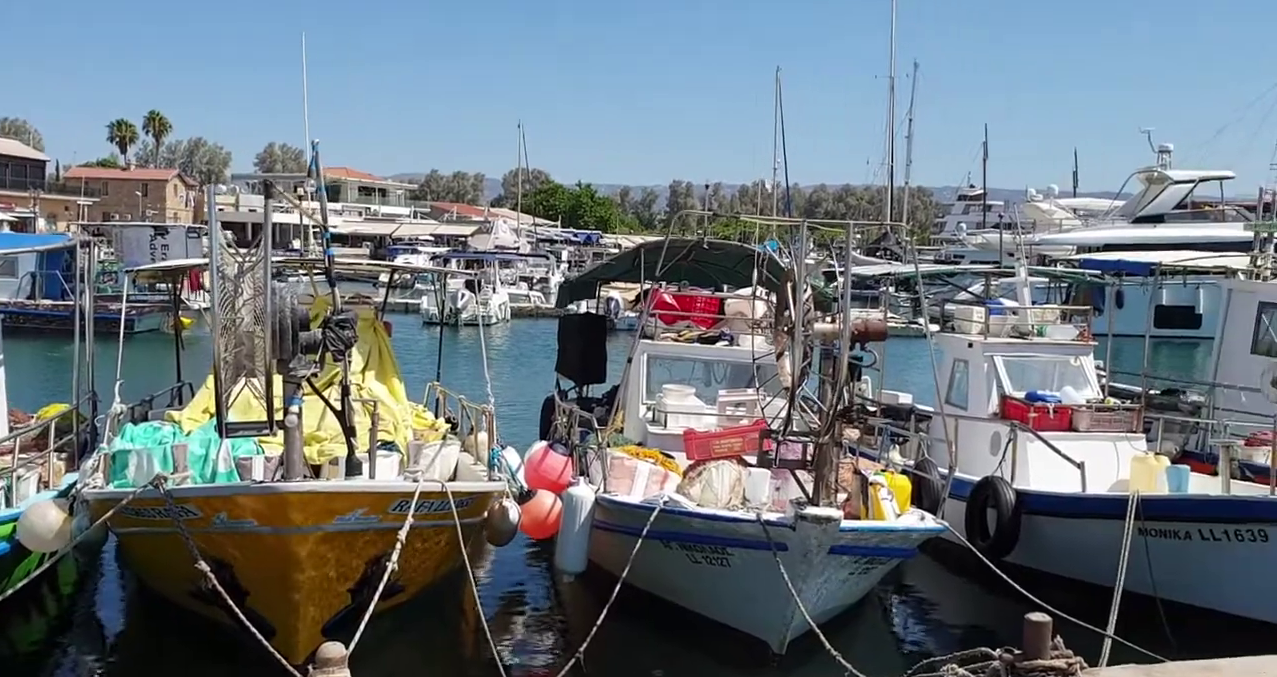 Kato Paphos Harbor
Start where you land rather than behaving as though the itinerary has already begun without you.
If your arrival leaves enough usable time, Kato Paphos is a natural introduction. Archaeology, the harbor and waterfront sit close enough together for the day to remain flexible.
How much you do should depend on when you actually arrive and how you feel after traveling. A morning arrival can support a substantial afternoon. A later one may call for a walk, dinner and little else.
There is no reason to front-load a two-week trip. You have thirteen more days, so use the first one to arrive properly and understand the area around your base.
Day 2 — Give Paphos Its Own Day
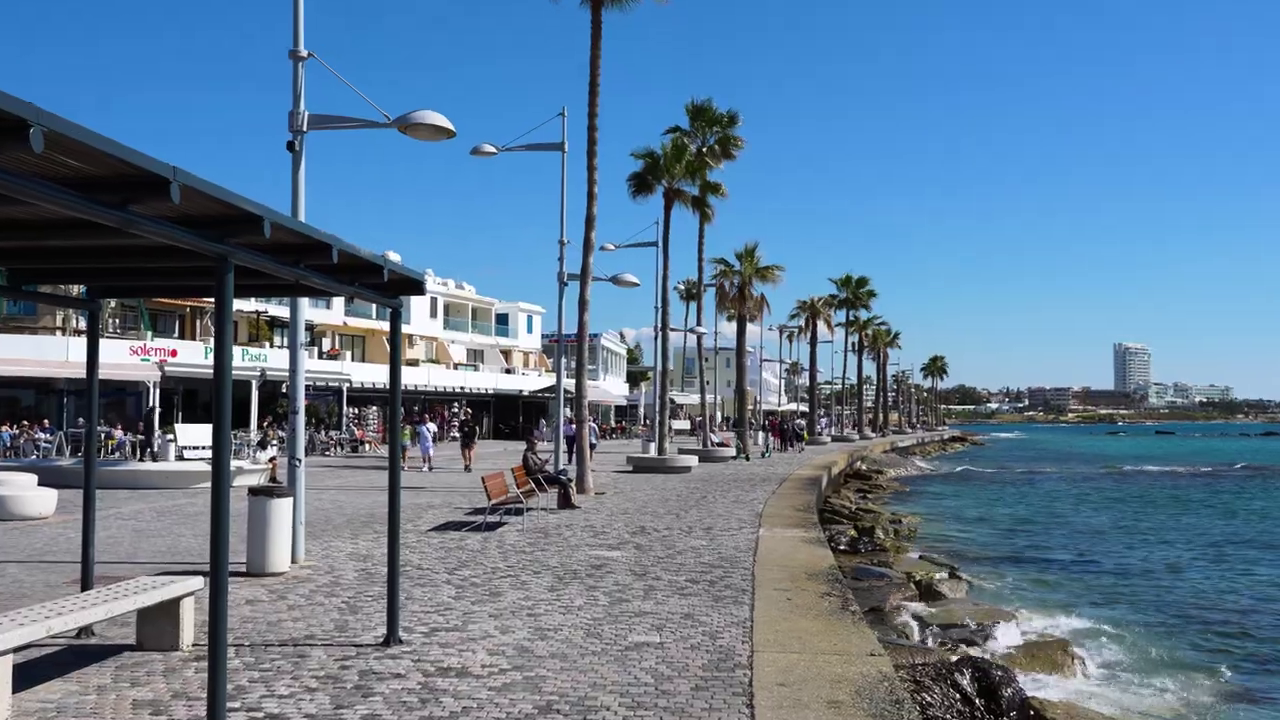 Paphos Promenade
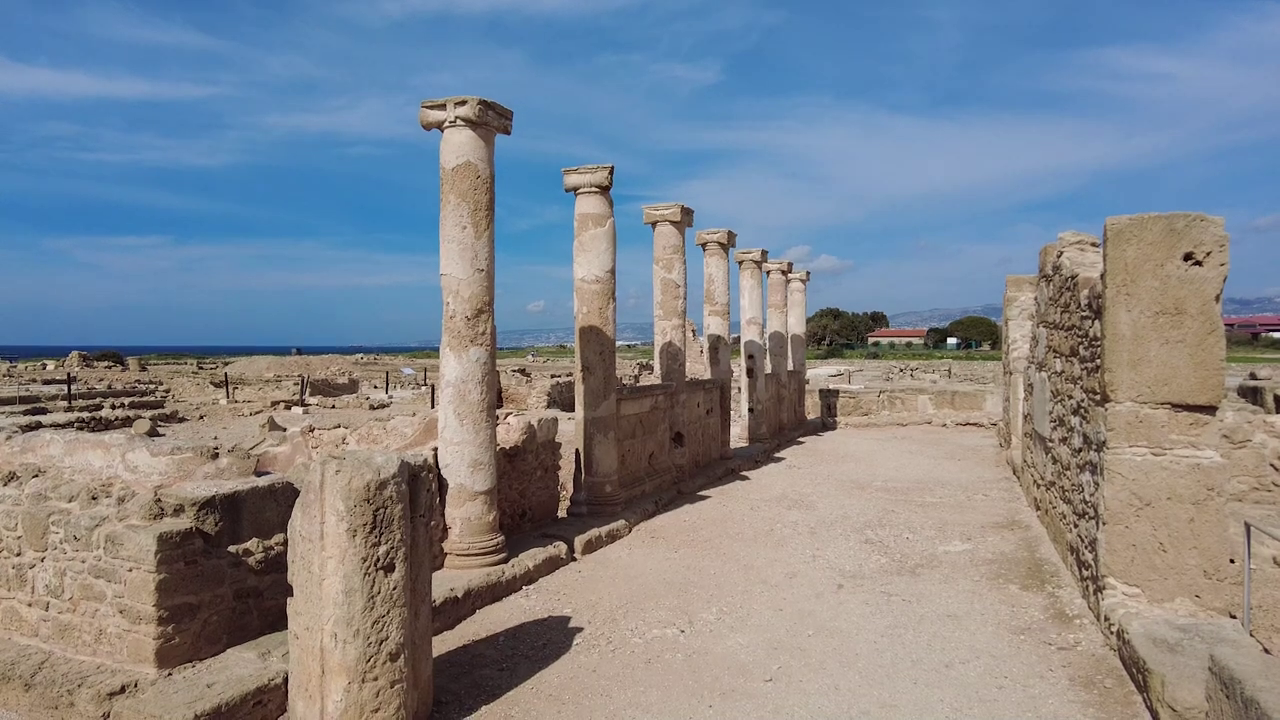 Kato Paphos Archaeological Park
Do not treat Paphos as accommodation beside the places you intend to visit elsewhere.
Give the city a full day.
For travelers strongly interested in archaeology, this is the moment to spend real time with the historical landscape rather than inserting it between beach plans. Others may prefer a lighter combination of archaeology, coast, lunch and walking.
Neither approach is inherently better. The mistake is assuming that a serious itinerary needs to maximize the number of cultural sites simply because you have two weeks.
A good long trip can absorb variation in intensity. One traveler may spend hours among archaeological sites; another may be ready for the waterfront earlier and enjoy the day more for recognizing that.
By evening, Paphos should begin to feel less like the first stop and more like your temporary base.
Day 3 — Polis, Latchi And The Akamas Side of Western Cyprus
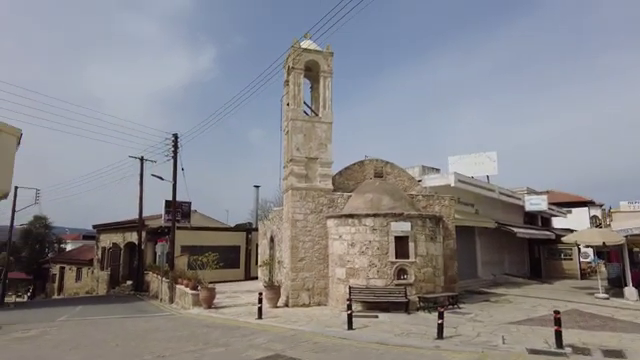
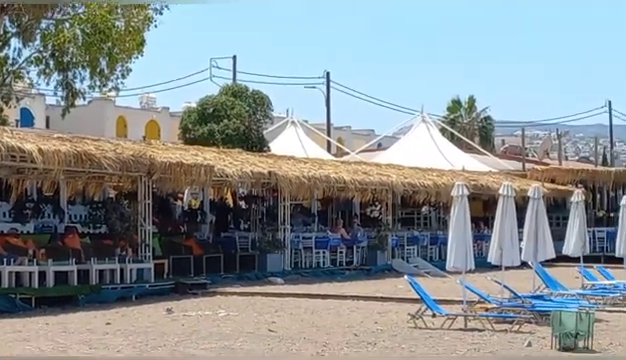
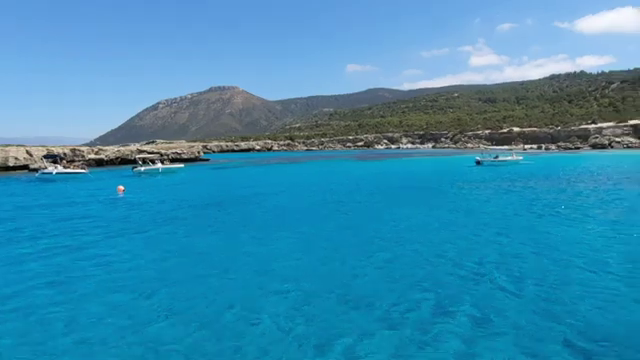
Use Day 3 to open the northwest.
Head toward Polis and Latchi, allowing both to exist as part of the day rather than treating them only as gateways to Akamas.
Travelers interested in nature may want the wider Akamas landscape to become the main experience. Others may prefer a slower coastal day or include time on the water when suitable boat operations are available and sea conditions permit.
Do not interpret the size of Akamas as an invitation to explore every road or track. Access and road conditions can vary, and rental agreements may restrict where particular vehicles may be driven. Check current information and the terms applying to your vehicle before choosing routes away from ordinary roads.
The advantage of having fourteen days is that this does not need to become an endurance day. Give the northwest enough time to feel expansive, then return to Paphos without adding another major destination on the way back.
Day 4 — Paphos Countryside, Then Return To Something You Liked
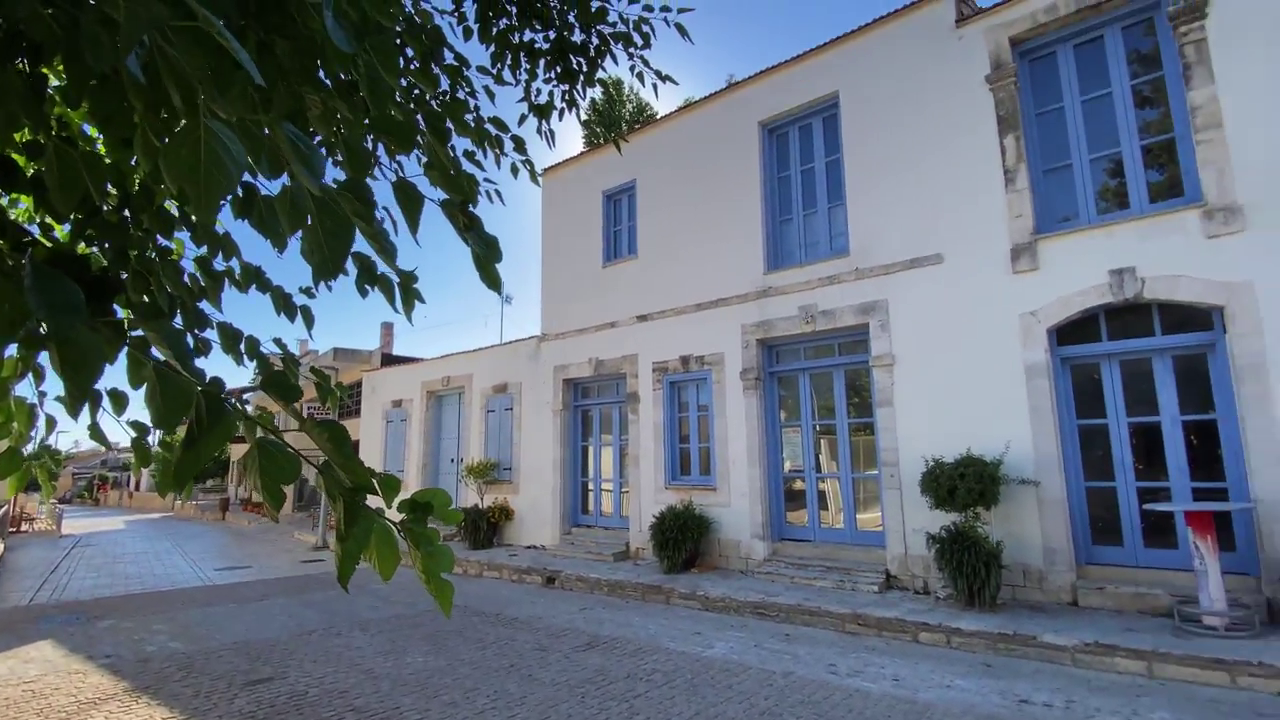 Kathikas Village
Use the morning to move inland.
A village such as Kathikas can anchor a countryside day, particularly when combined with lunch, surrounding landscape or a winery when wine is genuinely part of your interests.
Choose selectively. Rural Cyprus does not become more meaningful because you visited six villages instead of two. If drinking forms part of the day, plan transportation accordingly by arranging appropriate transport or ensuring the driver remains alcohol-free.
Then do something particularly valuable on a two-week trip: return somewhere.
Go back to the coast you preferred, walk the waterfront again, spend the afternoon at the hotel or leave the later part of the day unresolved.
On a four-day trip, repetition may feel expensive. On a fourteen-day trip, repetition is often where familiarity begins.
Day 5 — Move Into Troodos Through The Wine-Village Landscape
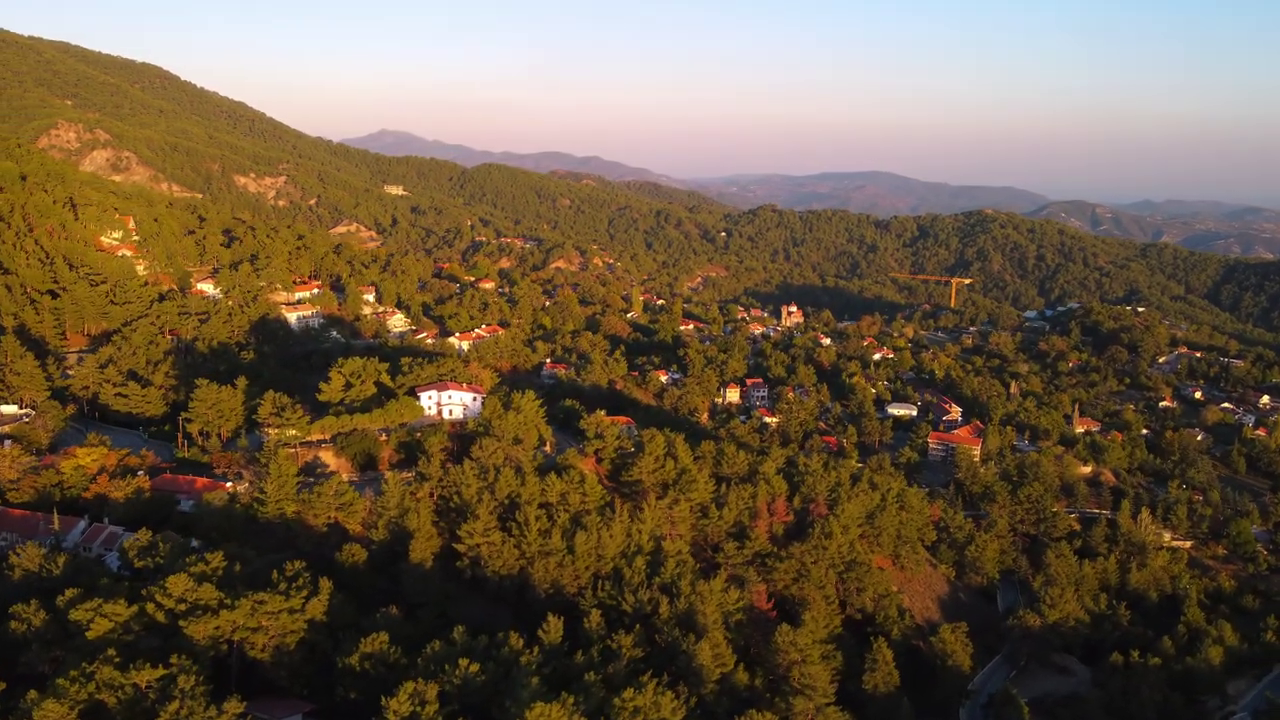 Troodos Mountains
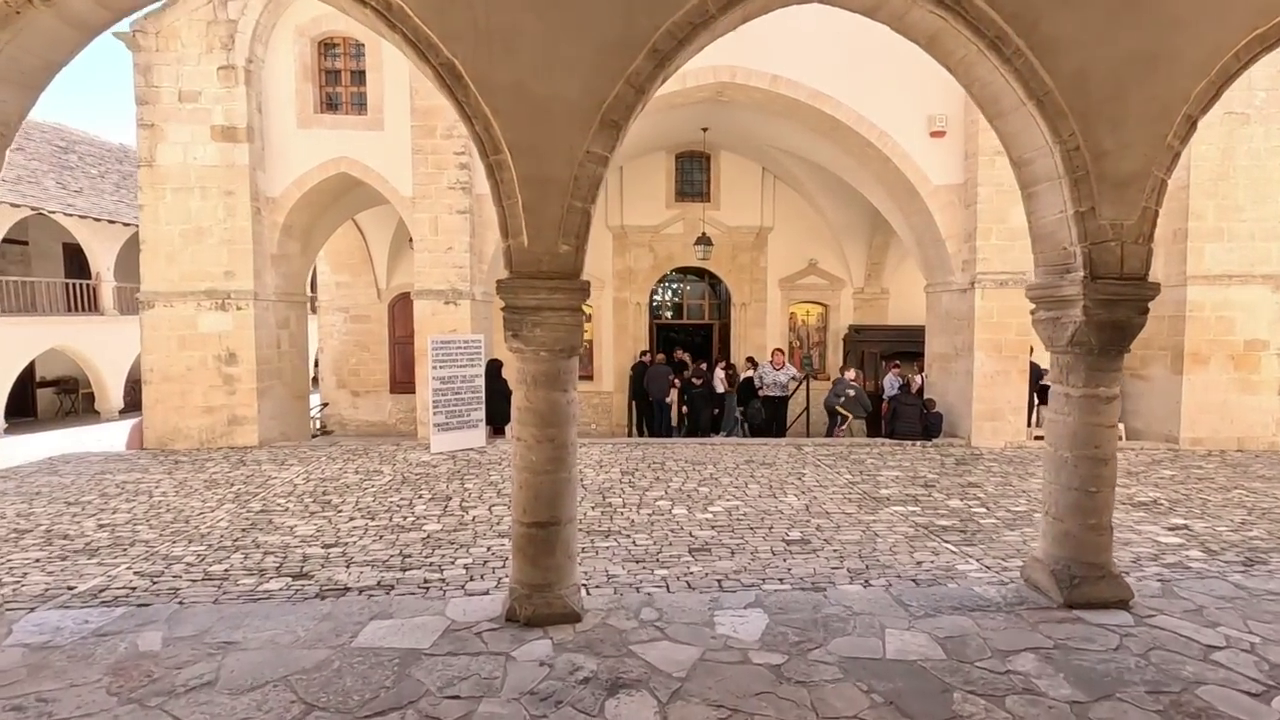 Holy Cross Monastery, Omodos Village
Leave western Cyprus and change the trip properly.
The journey into the Troodos Mountains should feel like part of the itinerary rather than transportation between hotel reservations.
Omodos can work naturally along the route for travelers interested in village atmosphere, wine and lunch, although the precise stop should suit your direction and interests rather than become mandatory.
What matters is the transition. The sea gradually stops organizing the trip, the roads change and elevation alters the landscape. Depending on the season, temperature and weather may feel noticeably different as well.
Once you reach your mountain accommodation, stay there. One reason for spending several days in Troodos is to experience the hours that day trips from the coast tend to miss.
Day 6 — Troodos Without The Need To Complete It
 Troodos Mountains in Winter
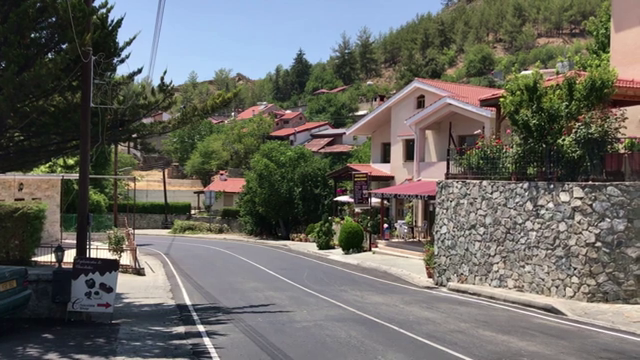 Platres Village
The first full mountain day should have one coherent purpose.
For some travelers, that means walking and forested landscape. For others, villages, churches, food and a slower drive through the mountains. Platres can be useful within some routes, but it does not need to be the center of every Troodos day.
Choose according to what genuinely interests you.
The mountains punish excessive itinerary design more quickly than the coast. Roads can be slower, curves and elevation change the rhythm, and every additional village requires parking, walking and reorientation.
A map can make five places look close. Visiting them may tell a different story.
Check current weather and road conditions whenever they could materially affect the day, particularly during cooler periods, and resist treating an early return to your accommodation as underachievement. In Troodos, the setting can be part of the reason you are there.
Day 7 — Let The Second Mountain Day Feel Different
This is where fourteen days begins to justify itself: you are not leaving Troodos immediately after the first full day.
If yesterday was active, make today slower. Spend longer in one village, have a leisurely lunch, follow a gentler route or return to somewhere you passed too quickly. If the first day focused on villages and food, today may be better used for landscape or walking.
The point is not to repeat yesterday's itinerary but to benefit from already being here. You know more about the roads, the weather and how the mountain environment feels than you did yesterday morning.
A second full day allows Troodos to become part of the journey rather than an interruption between two coasts. That is why we would protect it.
Day 8 — Move To Nicosia And Let The Capital Change The Scale
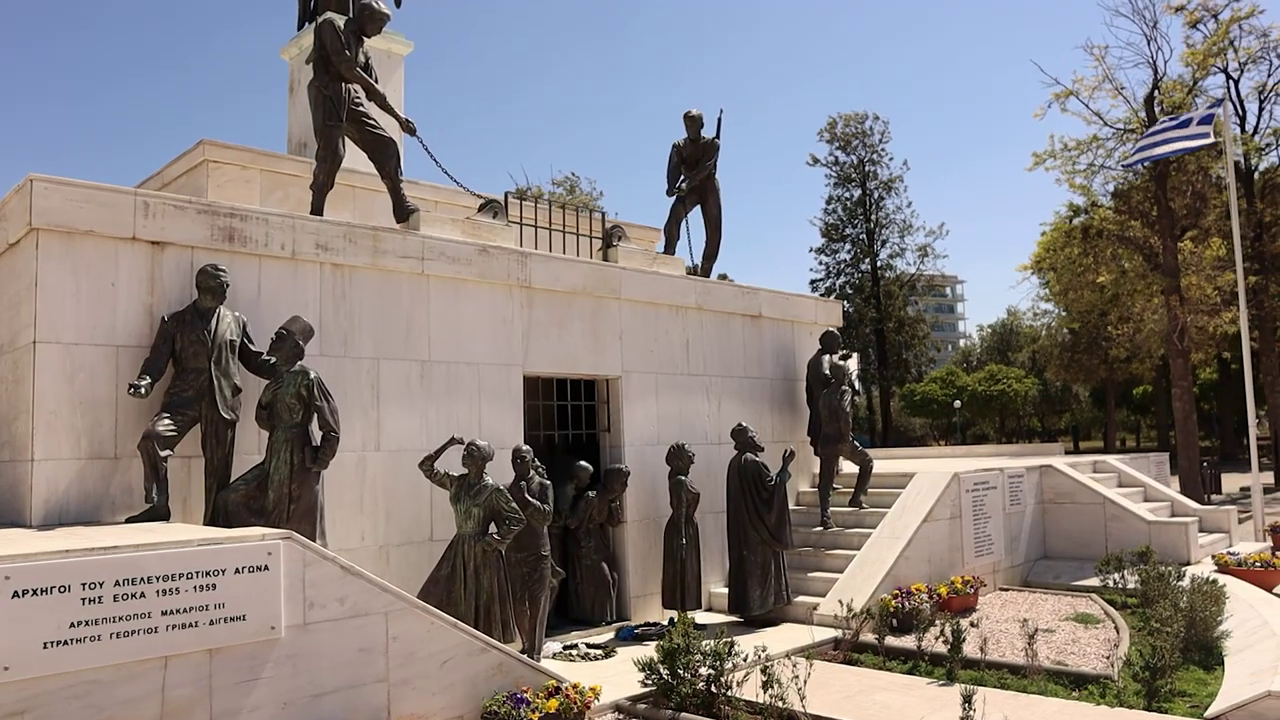 Liberty Monument, Nicosia
Leave the mountains for Nicosia.
Do not overload the transfer day. Arrive, settle in and give the capital the afternoon and evening rather than attempting to cover it before dinner.
Nicosia changes the journey because it removes the coast entirely from the conversation. The interest becomes urban: streets, neighborhoods, museums, food, architecture and the experience of contemporary inland Cyprus.
Travelers who are primarily beach-focused may decide that two nights here are not worth another accommodation change. That is a valid choice and one reason this route should not be treated as universal.
For travelers interested in understanding Cyprus beyond coastal travel, however, the capital earns the contrast. Spend the first afternoon walking and learning the city rather than collecting sights; tomorrow has room for depth.
Day 9 — Give Nicosia A Full Day
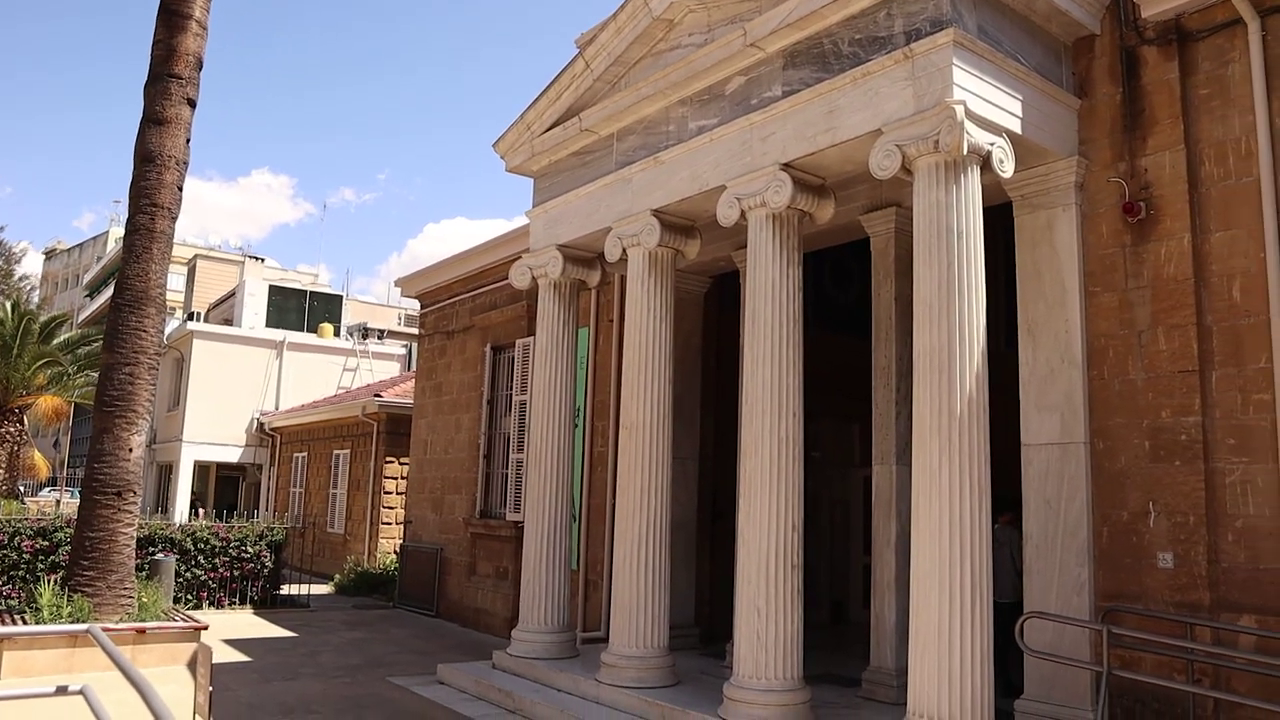 Cyprus Museum, Nicosia
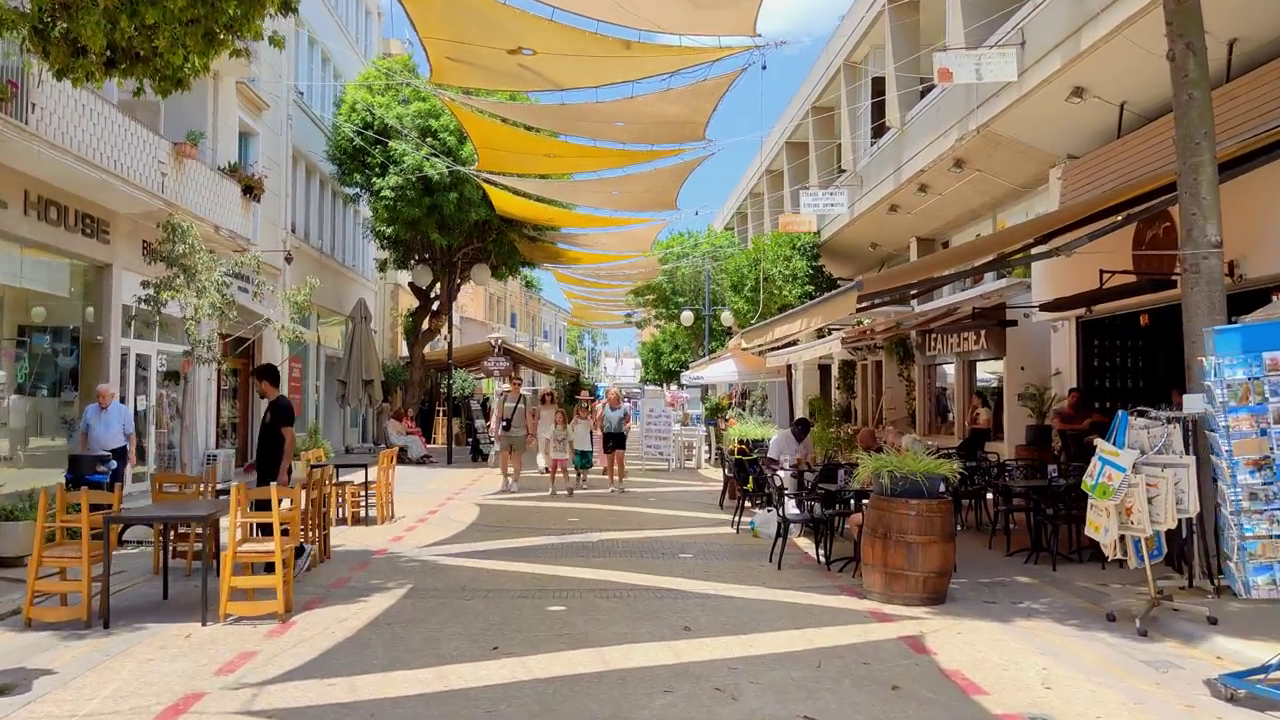 Ledra Street, Nicosia
Use the second day for the parts of Nicosia that align with your interests.
Museum-focused travelers can build the day differently from those more interested in neighborhoods, architecture, restaurants or simply walking through the city.
The point is not to create the definitive Nicosia day. It is to avoid reducing the capital to a hurried stop between Troodos and Larnaca.
Nicosia works well here because it interrupts the dominant rhythm of the trip. There is no beach to fall back on and no mountain scenery doing the work for you. You engage with the city on different terms.
For some travelers, that will become one of the most valuable changes of the two weeks. For others, it may confirm that they would rather be near the sea.
Longer trips have enough room for a place to sharpen your preferences rather than merely satisfy them.
Day 10 — Move Toward Larnaca, With Lefkara If It Fits
 Lefkara Village
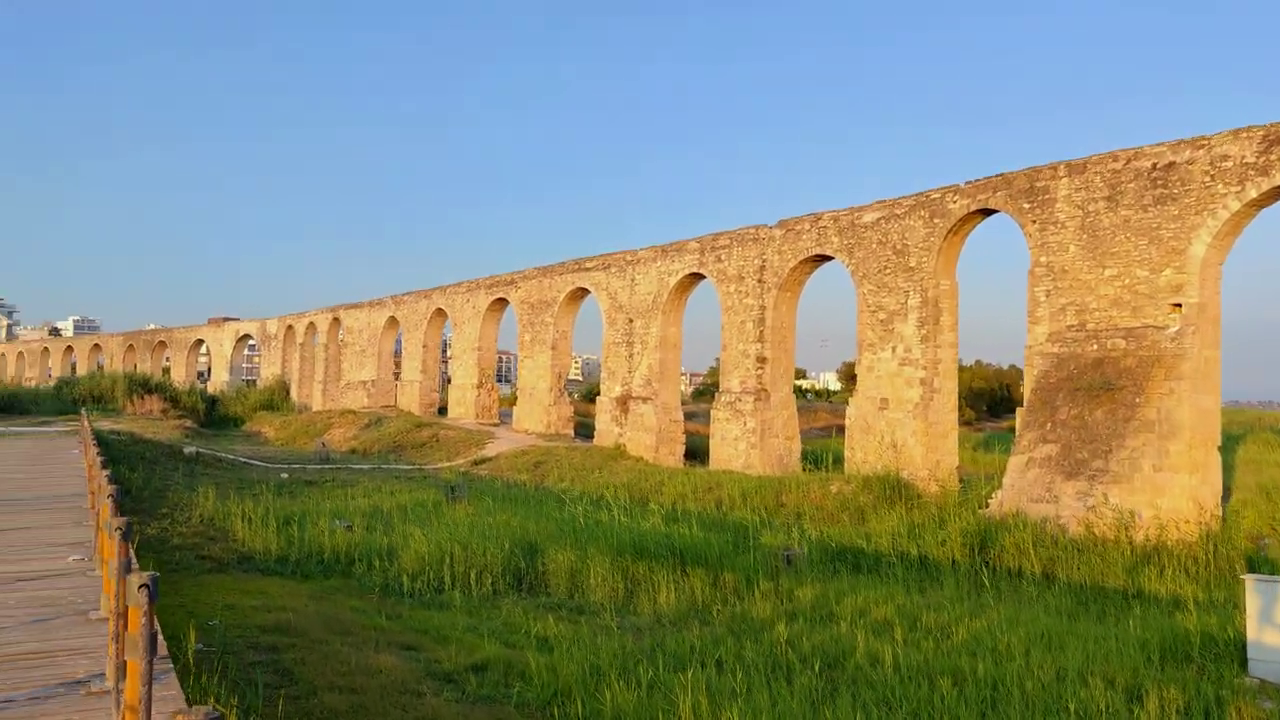 Kamares Aqueduct, Larnaca
The final accommodation change takes you back toward the coast.
Lefkara can fit naturally into the journey when village atmosphere, stone architecture and craft interest you. It works particularly well here because it belongs within a real transition rather than requiring an artificial excursion later.
A few unhurried hours may be enough before continuing toward Larnaca.
Once you reach your final base, settle in rather than immediately leaving for the southeast. Walk, have dinner and understand the local geography. Notice whether you prefer the seafront, the old center or somewhere quieter for the days ahead.
This is your fourth base, and for most travelers we would make it the last.
Day 11 — Give Larnaca Time Before Using It As A Base For Elsewhere
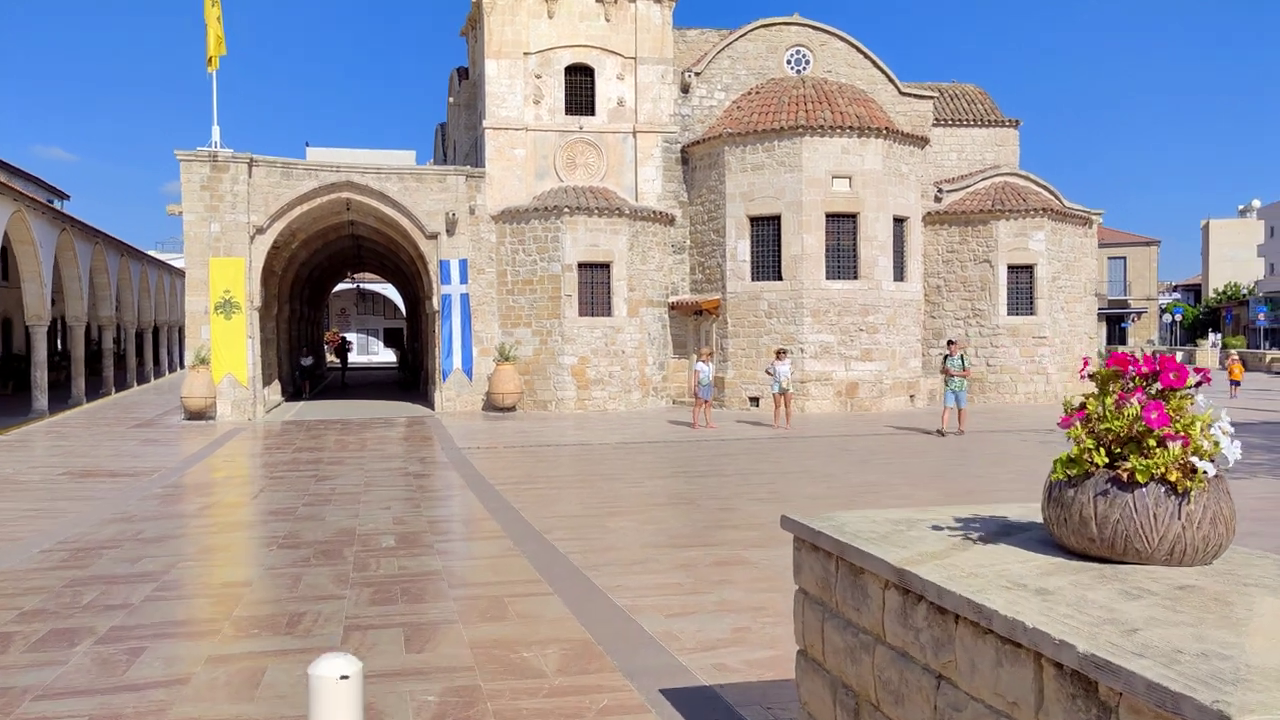
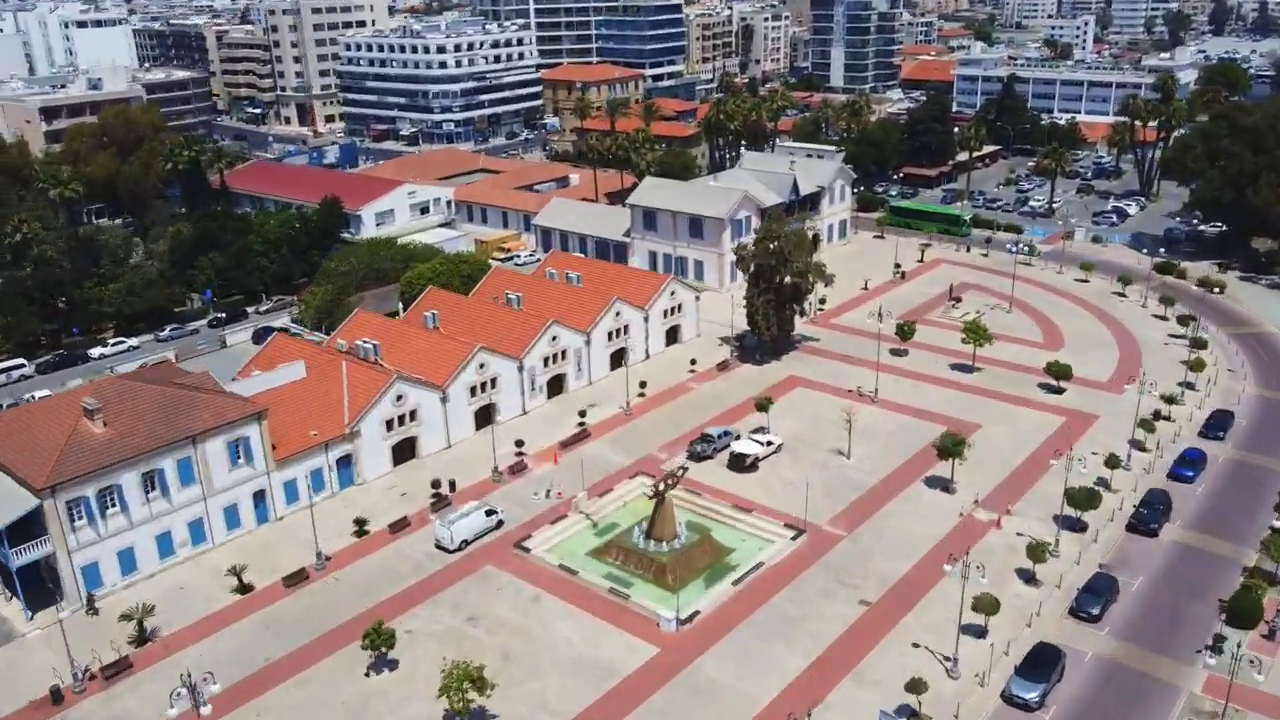
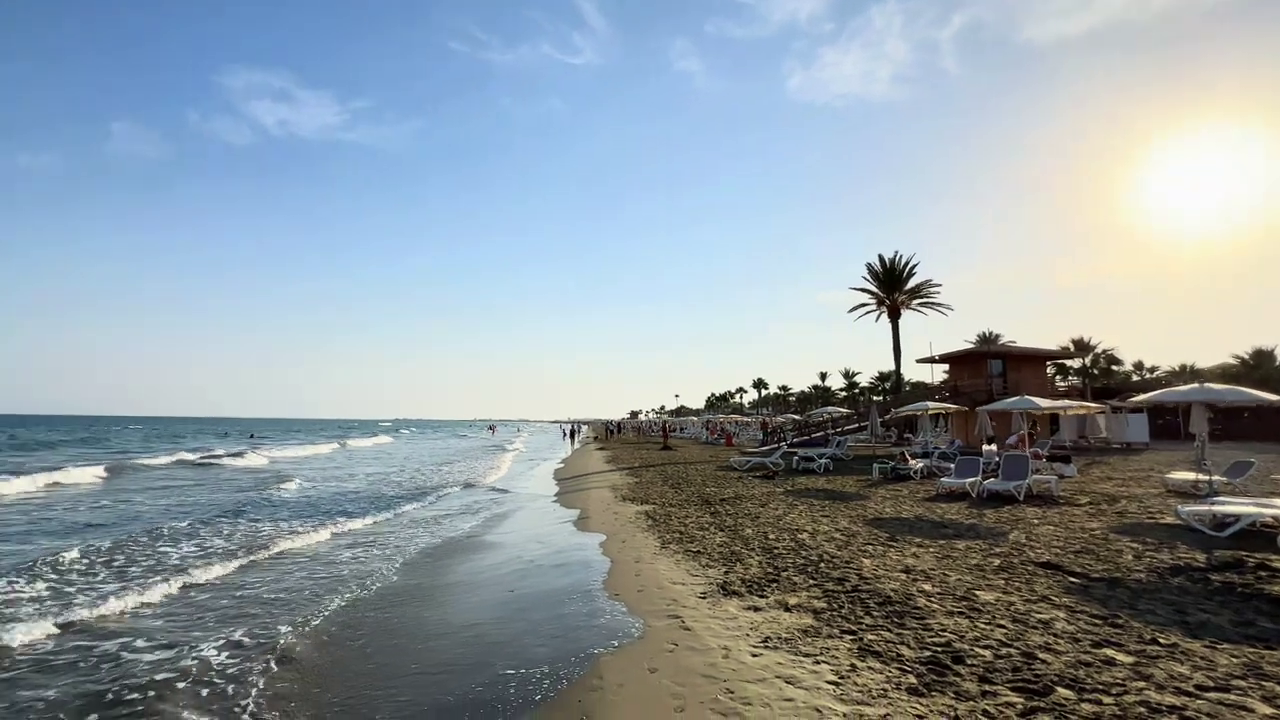
One of the easiest mistakes in Larnaca is treating the city only as an airport and a convenient starting point for other places.
Do not do that on a fourteen-day trip.
Spend time around the old center, St. Lazarus Church, the seafront and whichever parts of the city interest you. Move between Finikoudes, Mackenzie and the center according to the kind of day you want rather than treating them as obligatory stops.
The slower day also has practical value. After mountains, a capital and another accommodation change, there is no need for a long drive immediately.
More importantly, it gives Larnaca a fair chance. You may discover that you want more of the city later, or confirm that the final days belong more clearly to the southeastern coast.
Either conclusion improves the rest of the trip.
Day 12 — Cape Greco And The Southeast
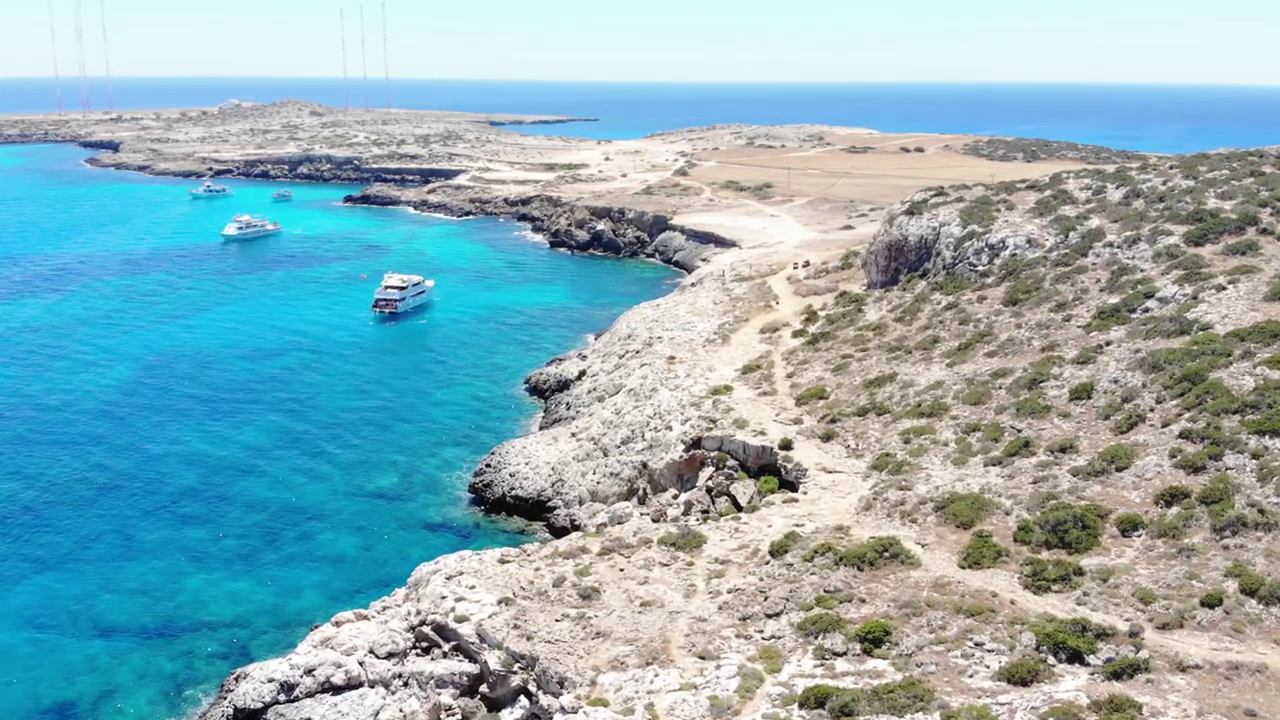
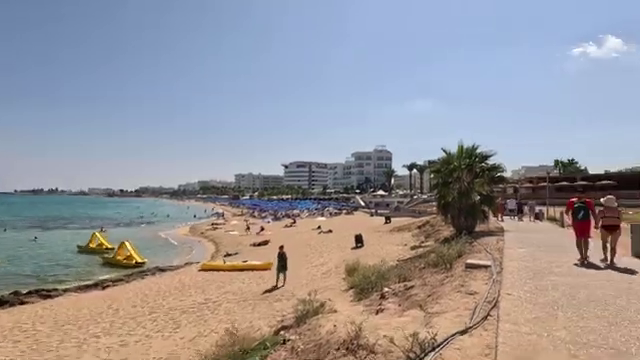
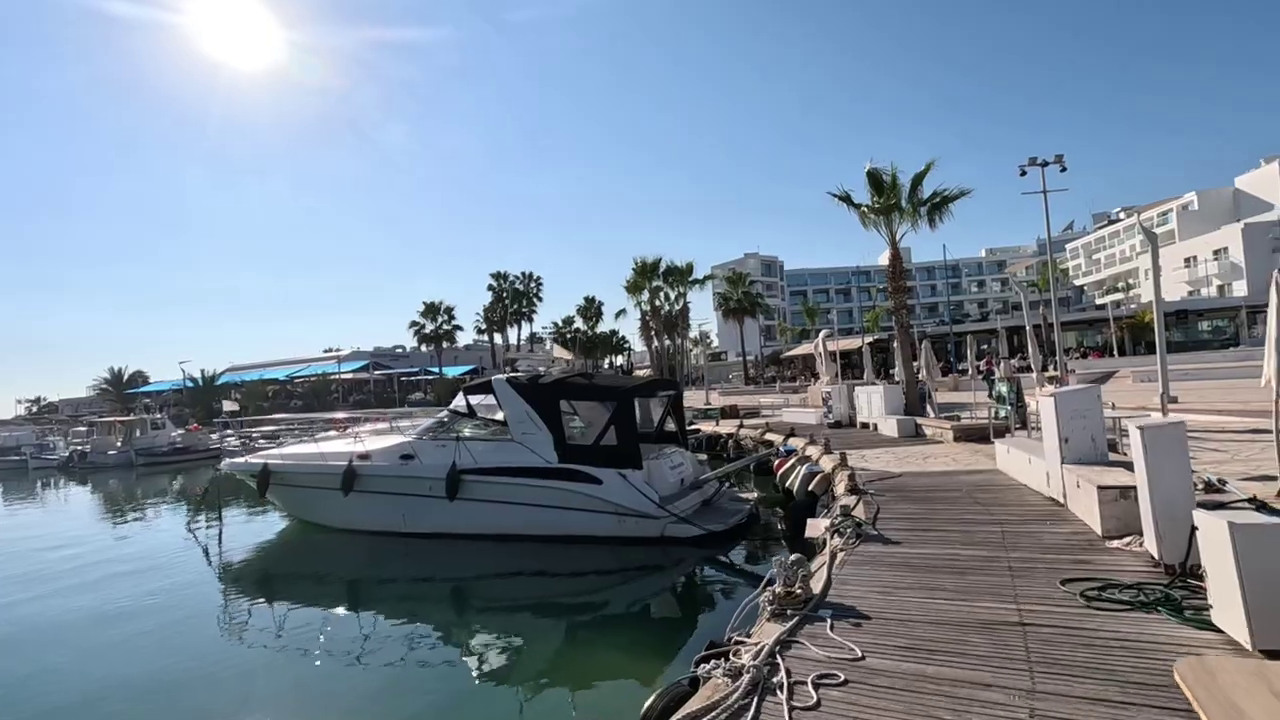
Now move east.
Build the day around Cape Greco, Protaras or Ayia Napa, but decide what you want from the day before deciding how many places it should contain.
If coastal landscape and walking matter most, Cape Greco deserves the time. If swimming is the priority, choose the beach rather than treating several beaches as a collection.
Fig Tree Bay and Nissi Beach offer different settings and can both become busy during popular periods. Visiting both on the same day is possible; it is not automatically useful.
Stay where the day is working.
In hotter conditions, time exposed activity sensibly around heat and sun. During periods when swimming plays a smaller role, the coast can be approached differently.
The southeast deserves more than a photographic sweep simply because you have already seen western Cyprus. It is a different coastal experience, and two weeks gives you enough time to notice the difference.
Day 13 — Go Back To The Coast You Preferred
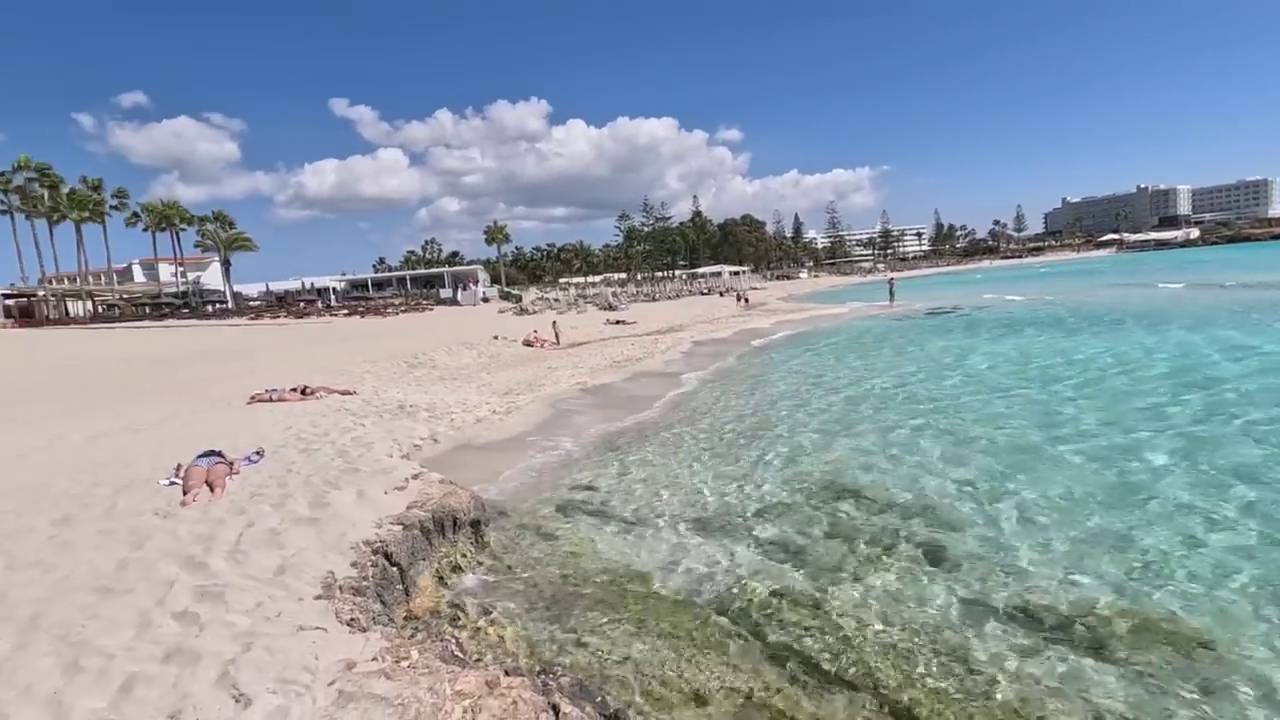 Nissi Beach, Ayia Napa
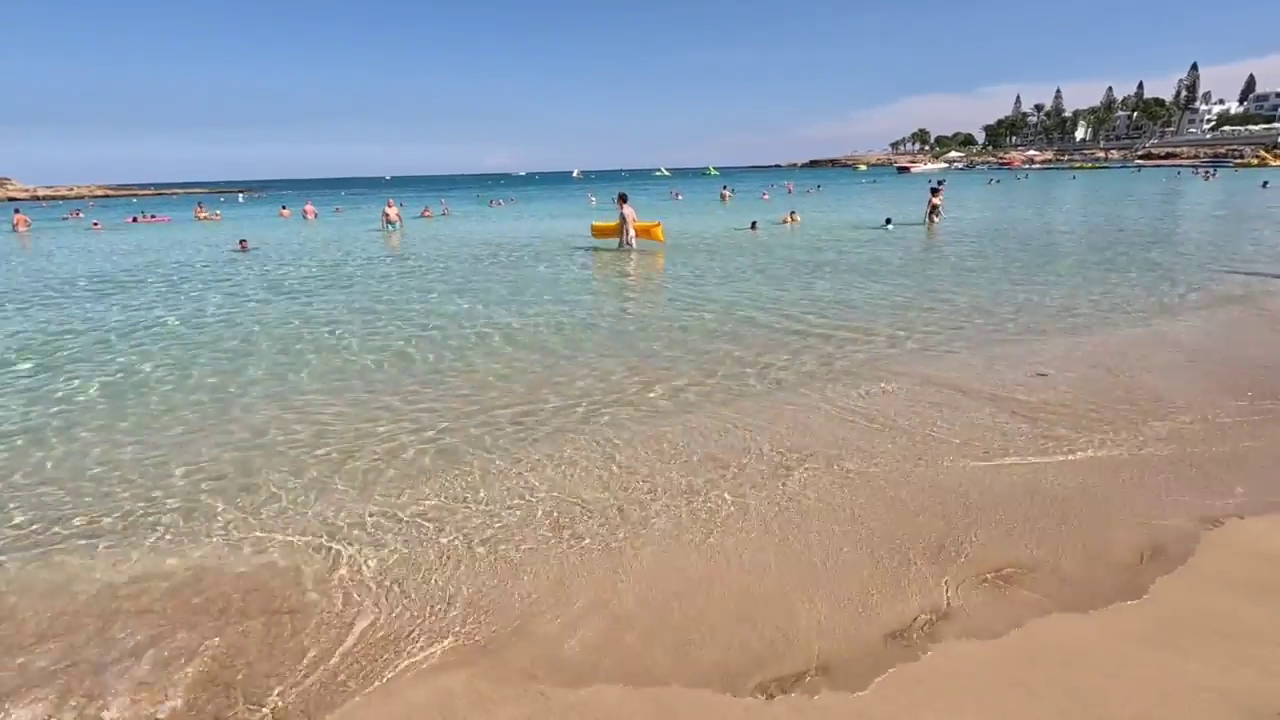 Fig Tree Bay, Protaras
Do not search for another major destination simply because Day 13 remains available.
Return east.
Choose the beach, coastal area or part of the southeast that you preferred yesterday and experience it without pressure to compare everything.
You already know the road. You know roughly where you want to stop and may already know which part of the beach suited you or where you want lunch afterward.
The logistics recede, which is precisely the point.
If yesterday made you certain that another beach day is not what you want, apply the same principle elsewhere. Stay in Larnaca, choose another eastern experience or simply use the hotel and coast near your base.
This day is not about repetition for its own sake. It is about allowing preference to become more important than novelty.
Day 14 — Do Not Save Something Important For The Final Day
Keep the last day close to your departure geography.
If you are flying from Larnaca, spend the remaining hours around the city or your accommodation according to the time genuinely available.
Do not save Cape Greco, Nicosia or a major booked experience for the final morning simply because it was the only space left in the itinerary. Departure days are vulnerable to packing, check-out, traffic and the fact that attention is already divided.
Use the remaining time lightly. Have breakfast somewhere you now recognize, walk the seafront again, swim if conditions and timing make that practical, or have lunch without needing to calculate the next attraction.
Two weeks does not need a dramatic final scene.
The trip has already accumulated enough.
Why This Route Works
The route gives Cyprus time to change without requiring you to restart the trip every second day.
Western Cyprus receives four days. Troodos receives three. Nicosia is treated as somewhere worth sleeping rather than a compulsory day trip, and the eastern coast receives enough time for both exploration and repetition.
Each accommodation change also has a reason. Paphos to Troodos changes the landscape. Troodos to Nicosia changes the type of experience. Nicosia to Larnaca returns you to the coast and positions the final days around the southeast.
Four bases over two weeks is movement, but it is not constant movement.
We would not add another hotel unless your priorities made the replacement worthwhile.
What About Limassol?
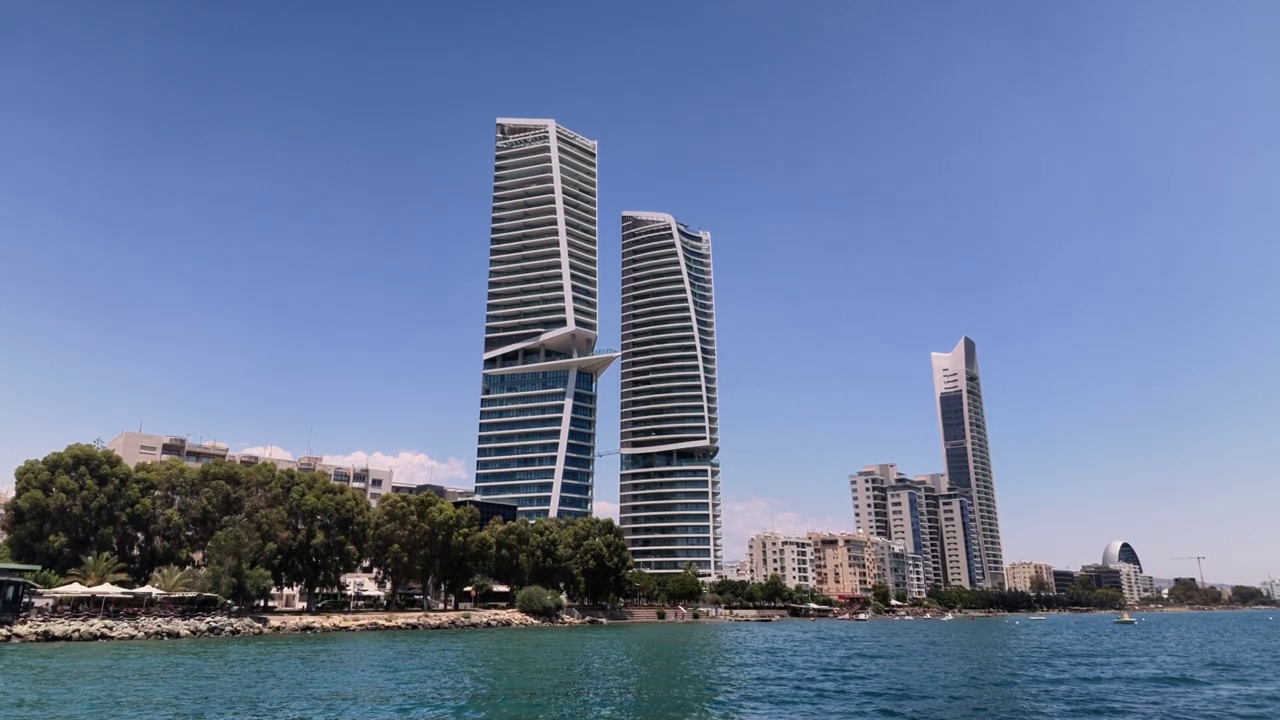 Limassol
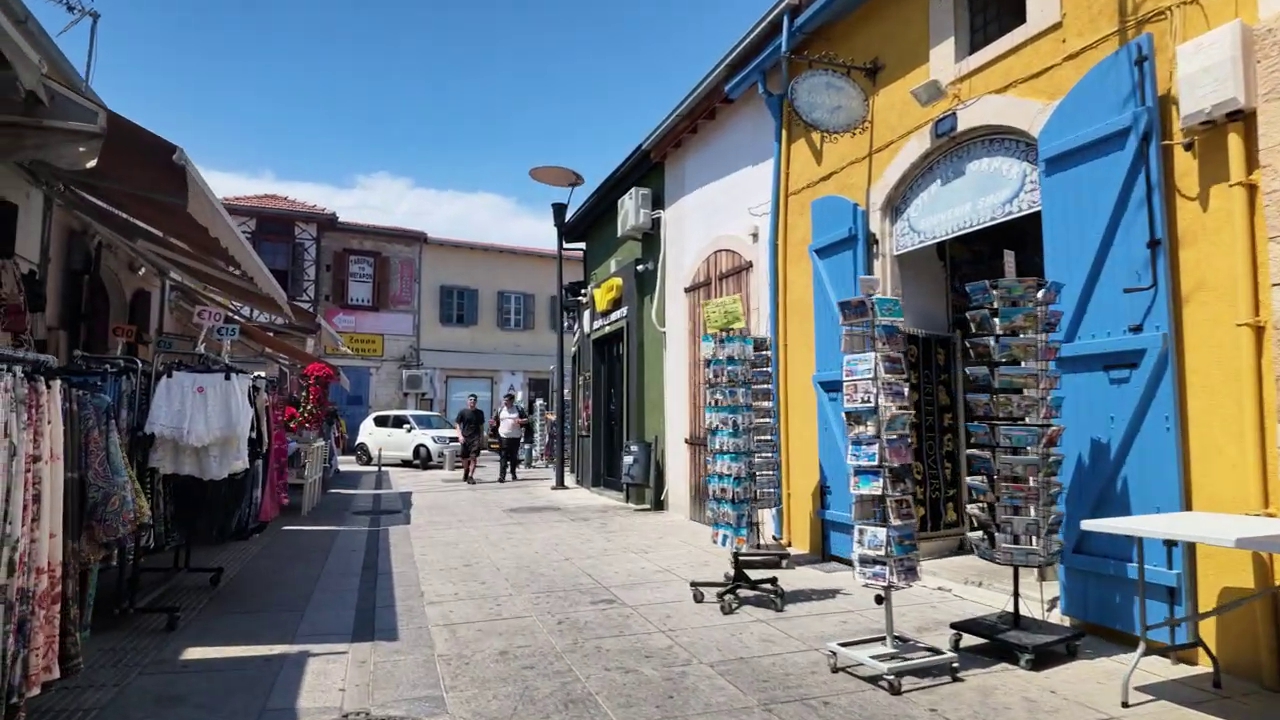 Old Limassol (Lemesos)
Limassol is the largest omission from the route, and for some travelers it will be the first thing to change.
If restaurants, contemporary coastal city life and access to wine villages are among your strongest priorities, Limassol deserves more than a lunch stop or hurried afternoon.
We would alter the structure rather than add a fifth base. One option is to replace Nicosia with Limassol. Another is to use Limassol as the base for part of the mountain section rather than staying in Troodos for several nights.
The trade-off is meaningful: Limassol gives you city evenings and easier access to some inland excursions, while sleeping in Troodos gives you mountain mornings and evenings that a day trip cannot reproduce.
Choose according to which experience matters more to you.
Should You Spend More Time in Nicosia?
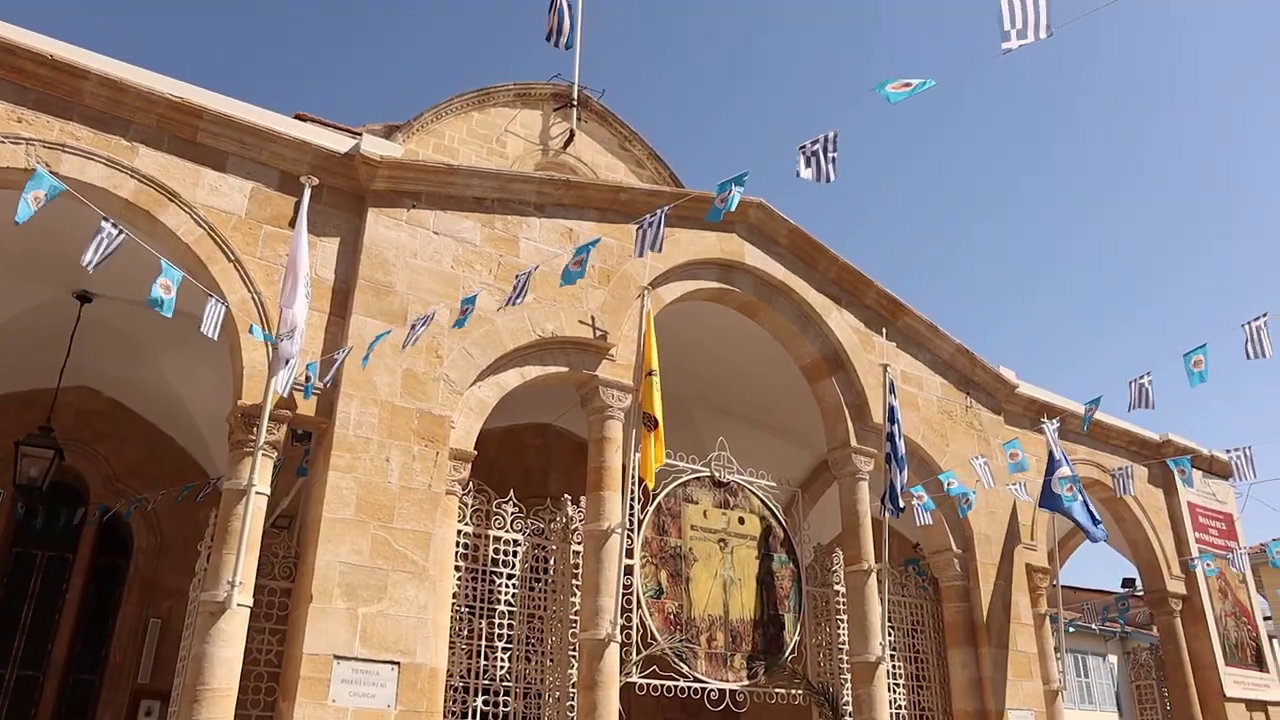 Panayia Faneromeni Church, Nicosia
Only if Nicosia belongs near the top of your priorities.
Two days gives the capital real space within a two-week journey without allowing it to dominate. Travelers strongly interested in museums, contemporary Cyprus, food, history or urban life may want longer, while travelers visiting principally for beaches, landscape and outdoor time may remove the overnight entirely and use those days elsewhere.
What we would not do is keep Nicosia solely because a comprehensive Cyprus itinerary appears to require the capital.
Fourteen days is long enough to include Nicosia properly. It is also long enough to know why you have chosen not to.
If Beaches Are The Main Reason For The Trip
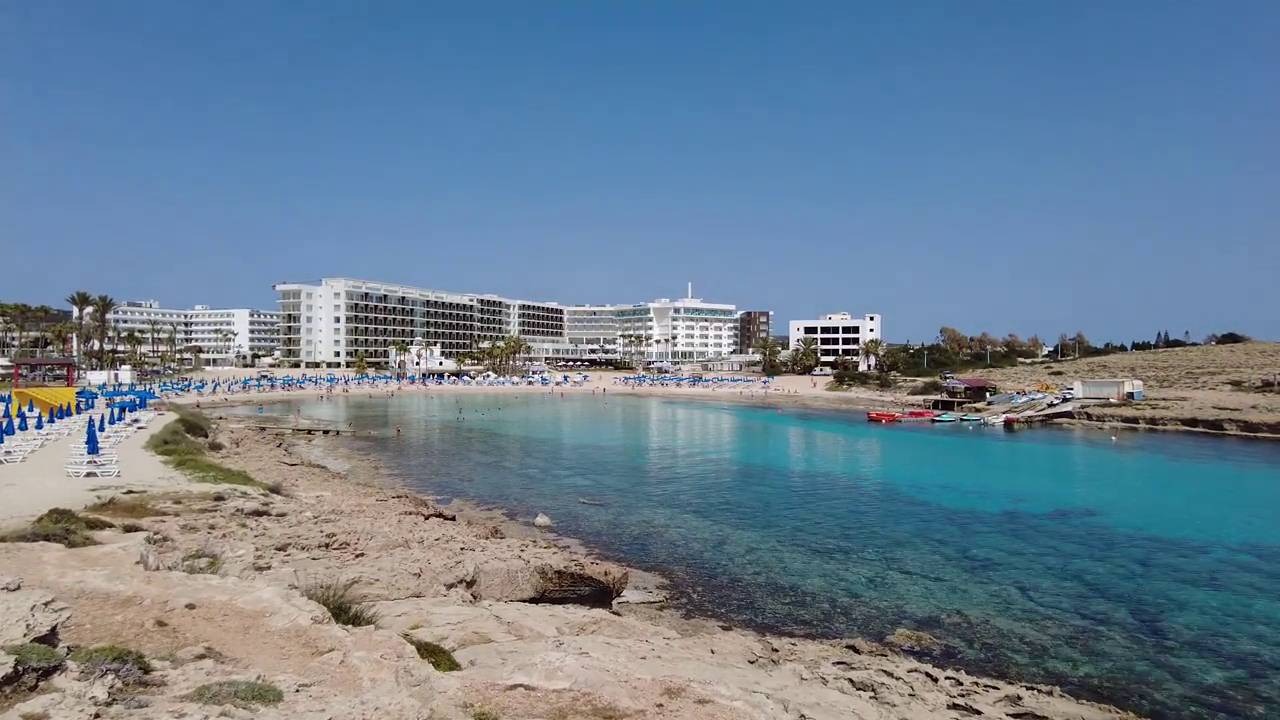 Vathia Gonia Beach, Ayia Napa
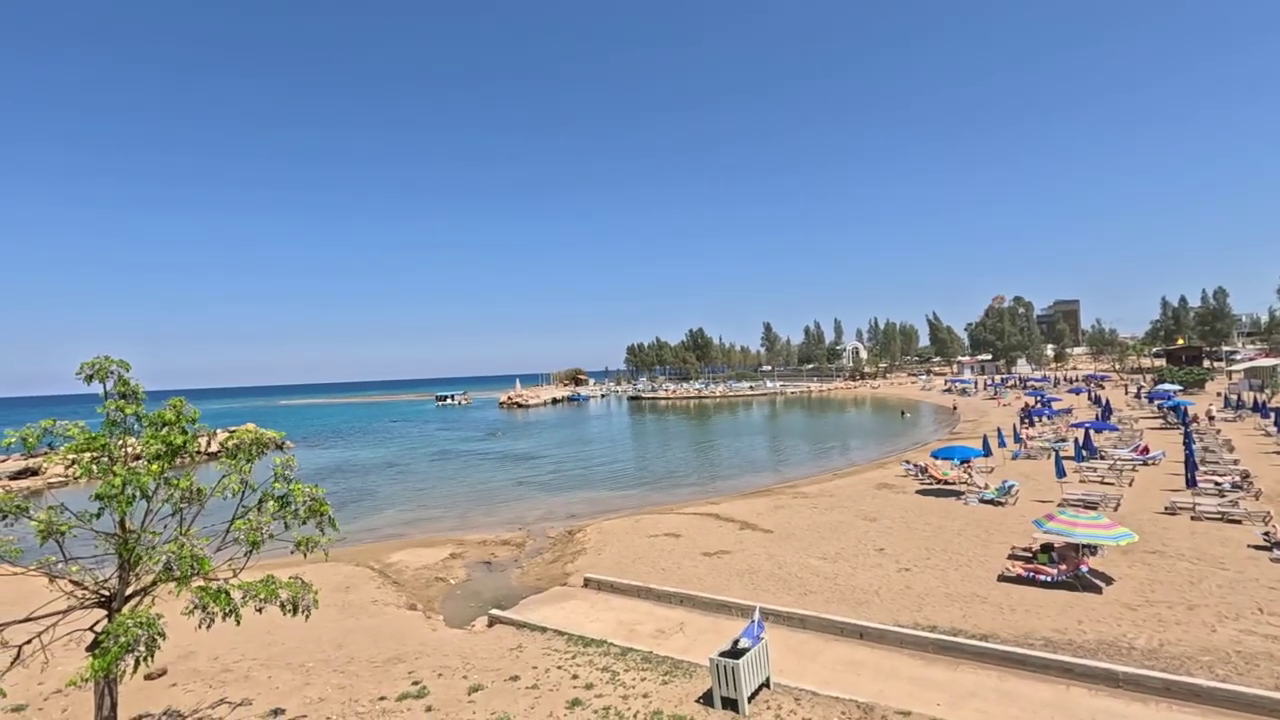 Agia Triada Beach, Paralimni
Give the final section more weight.
You may prefer to reduce Nicosia or shorten the mountain stay and spend several nights directly around Protaras or Ayia Napa rather than using Larnaca for every eastern excursion.
That changes the mornings and evenings as well as the driving. If repeated swimming, early beach time and easy returns to the coast are central to your trip, staying close to the beaches may be more valuable than maintaining a geographically balanced itinerary.
Larnaca can then become a shorter stop or the final night before departure.
The itinerary does not owe every region equal time. It owes your priorities enough time.
If Mountains, Villages, Food And Wine Matter More
Slow the middle of the journey further.
Three days in Troodos may become four, or Limassol may replace part of the eastern block and provide an urban counterpoint to the mountains.
Travelers with a strong interest in village life should still resist creating a daily village inventory. More days do not require more names.
Use the additional time for different rhythms: one day built around landscape, another around food and villages, another with walking or a single long lunch. If wine is part of the trip, separate drinking from driving through appropriate transport arrangements.
Two weeks gives you enough time to treat inland Cyprus as somewhere to inhabit for several days rather than somewhere to consume between coastal stays.
Three Bases or Four For Two Weeks?
Both can work well.
The important question is whether the fourth base creates a meaningfully different experience or merely divides the map more neatly.
For the itinerary above, Paphos, Troodos, Nicosia and Larnaca each change the journey enough to justify moving. Remove Nicosia and you have a slower three-base trip. Replace Troodos with Limassol and you create a different structure again.
What we would avoid is using fourteen nights to justify five, six or seven hotels.
Packing becomes routine surprisingly quickly, as does arriving somewhere just as you are beginning to understand the place you have left.
Our Where to Stay in Cyprus and two-base guides cover specific accommodation combinations separately.
Should You Rent A Car For 14 Days in Cyprus?

For the route above, a rental car gives you substantial flexibility, particularly in western Cyprus, Troodos and village areas. It also makes the transitions between bases considerably simpler.
That does not mean the car needs to dominate all fourteen days.
In Paphos, Nicosia and Larnaca, there may be days when walking or other transport better suits the plan. A longer rental period should not create an obligation to drive every morning.
Travelers who prefer not to rent a car should build a different itinerary around fewer bases, urban locations, airport transfers, taxis, organized excursions and available public transport rather than trying to reproduce this route without its main transport assumption.
If driving, remember that Cyprus drives on the left. Our Renting a Car in Cyprus, Driving Rules in Cyprus, Driving on the Left in Cyprus, Parking in Cyprus and Driving in the Troodos Mountains guides cover those practical decisions separately.
For a trip designed without a rental car, use our Cyprus Without a Car Itinerary and Getting Around Cyprus guides before choosing accommodation.
How The Season Should Change Two Weeks
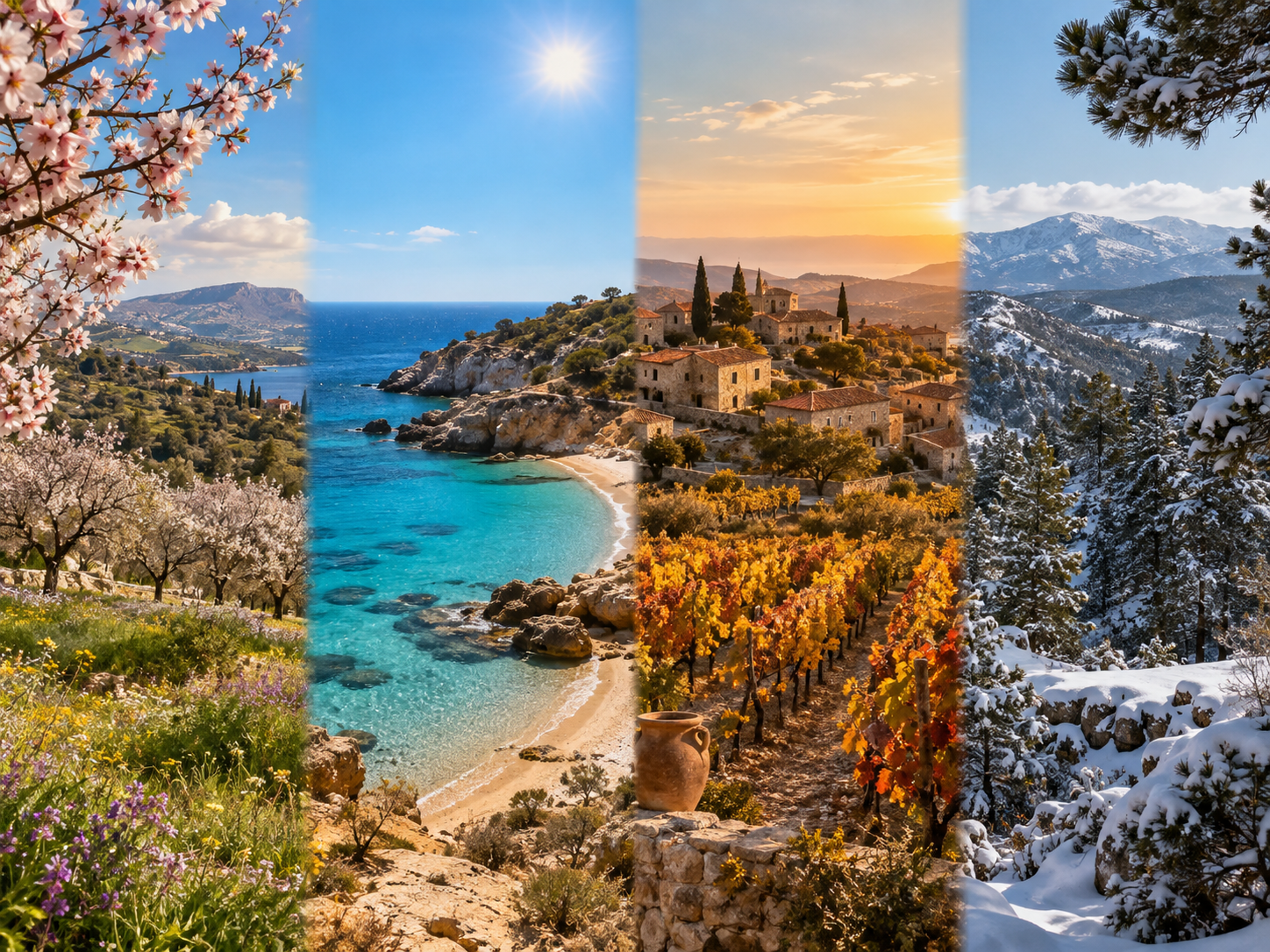
Fourteen days gives you enough flexibility to work with conditions rather than against them.
During hotter periods, exposed archaeological sites, walking and inland exploration deserve careful timing around heat and sun. Earlier starts, longer breaks and later coastal hours may substantially improve the same itinerary.
The mountains can provide a useful change from the coast, though current conditions should still guide plans.
During cooler periods, swimming may become less central while archaeology, walking, villages, cities and food take a larger role. Troodos requires greater attention to weather, road conditions and daylight.
The advantage of two weeks is that individual days can move. If sea conditions disrupt a boat plan, use another day. If mountain weather makes a planned walk unattractive, change the order where practical.
Do not use fourteen days to create fourteen inflexible appointments.
Our Best Time to Visit Cyprus and month-by-month Cyprus guides can help shape the journey for the period you are traveling.
Where Extra Spending Makes The Most Difference
Over two weeks, small inconveniences accumulate, so accommodation location matters more than it may on a short stay.
A well-positioned hotel can remove repeated driving, make dinner easier and give you mornings you enjoy without requiring an excursion. In the mountains, setting may matter enough for the accommodation itself to become part of the reason for staying. Near the southeast, paying for the right coastal location can make repeated beach days considerably simpler.
We would also consider spending where it removes responsibility or friction: appropriate private transport for a wine-focused day, a transfer that simplifies a difficult arrival or a well-chosen guided experience when interpretation genuinely changes what you understand.
What we would not do is convert a larger budget into a denser calendar.
Over two weeks, buying back time can be more valuable than filling it.
What We Would Not Do With 14 Days in Cyprus
We would not turn two weeks into an island-wide endurance test.
We would not stay in seven hotels because fourteen nights divide neatly into pairs, visit a different beach every day simply to create variety or move through Troodos villages as though the objective were to accumulate names.
We would not include Limassol, Nicosia, Paphos, Larnaca, Ayia Napa and Protaras as separate accommodation stops merely because they are all important places, and we would not fill every afternoon in advance.
Most importantly, we would not treat returning somewhere as evidence that the itinerary lacked imagination.
Two weeks gives you something more valuable than maximum coverage: enough time to discover which parts of Cyprus you actually want more of.
If You Have Thirteen or Fifteen Days
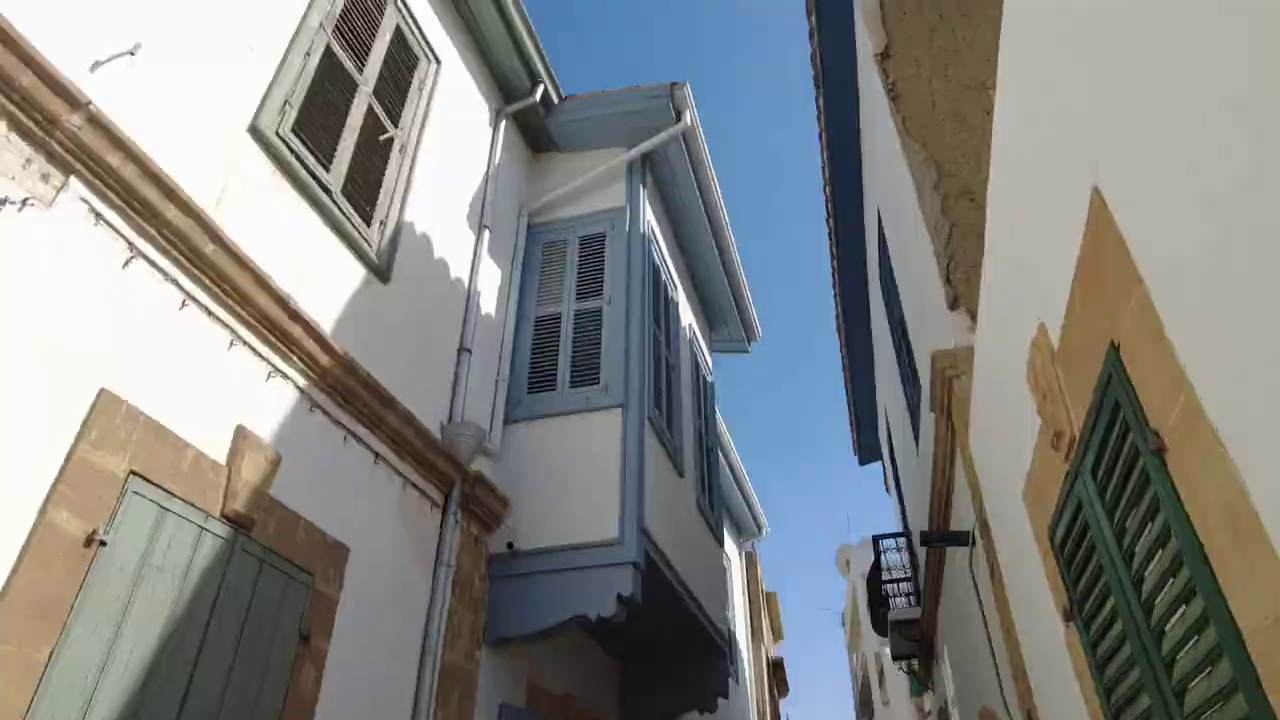 Old Buildings, Nicosia
With thirteen usable days, remove one component rather than trimming a little from everything.
For the route above, we would protect the western block and final eastern days, then decide whether the second full Troodos day or the Nicosia stay matters more to you.
With fifteen days, deepen before expanding. Give Paphos another slow day, remain longer in Troodos, add another eastern beach day, spend a third day around Nicosia or simply create a day with no substantial driving.
A fifteenth day does not require a fifth base.
A Practical Note Before You Travel
Treat this itinerary as an editorial framework rather than a fixed operational schedule.
Opening days and hours can change. Weather can alter mountain routes, walking and sea-based plans. Road access may change, rental agreements can restrict where particular vehicles may be driven, and transport services or seasonal operations can vary.
Check current information for anything on which a day materially depends, particularly road conditions, weather, operating times, booked activities, airport journeys and vehicle restrictions. Follow applicable local requirements and the terms of any rental or booking agreement.
Leave sensible margins around flights and anything you would be genuinely disappointed to miss. If circumstances change, change the day rather than forcing the original schedule to survive.
The itinerary is there to improve the journey, not become another obligation you have to obey.
Two Weeks Should Include Somewhere You Return To
There is a moment in a longer trip when a place stops being new.
You know which road leads back to the coast. You no longer need to study the map before dinner. You recognize the walk from the hotel. You remember which part of the beach you preferred yesterday.
None of that is dramatic.
That is why it matters.
Travel itineraries are usually built around first encounters: the first time you see Paphos, the first time you drive into Troodos, the first evening in Nicosia, the first swim in the southeast.
Fourteen days gives you room for second encounters too.
Go back to the beach you preferred. Order lunch somewhere you already understand. Walk the same seafront without trying to improve on yesterday. Let one village, neighborhood or stretch of coast become familiar enough that you stop thinking of it as an itinerary stop.
A two-week trip should not finish with the largest possible collection of Cyprus.
It should finish with a few places that no longer feel entirely unfamiliar.
That is what the extra days are for.