Newsletter "Beyond the Postcards" Subscribe
Plan Your Cyprus Trip: Hotels: Expedia, Villas & Apartments: Vrbo, Car Rentals: DiscoverCars, Tours: GetYourGuide, Airport Transfers: WelcomePickups
- Home
- Plan Your Cyprus Trip
- Cyprus Itineraries
- Cyprus Road Trip Itinerary
Cyprus Road Trip Itinerary: Four Bases, One Coherent Journey
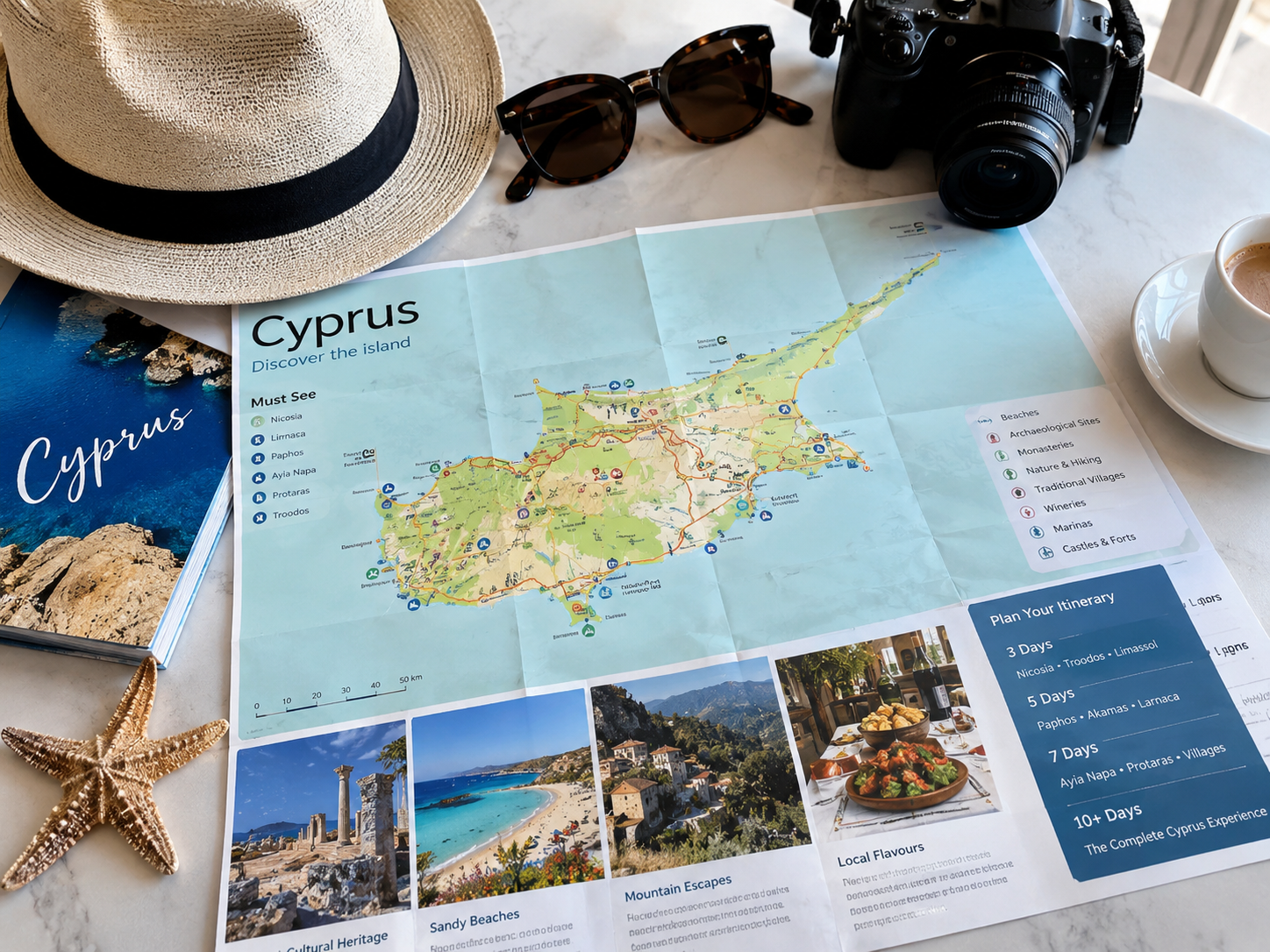
Cyprus is small enough to tempt you into bad road-trip planning.
Look at the island on a map and the distances seem manageable. Another village appears close. Another beach is farther along the coast. Another mountain road looks possible before lunch. Before long, the itinerary becomes a sequence of arrivals rather than a journey.
That is not how we would road-trip Cyprus.
The car is valuable because it gives you control over the spaces between the obvious destinations: the countryside beyond Paphos, the approaches to Akamas, wine villages, mountain roads and days that can change according to weather, appetite or what interests you after arriving.
But the freedom of having a car is easily misunderstood. It does not mean you should keep driving.
For us, one of the clearest signs of a well-designed Cyprus road trip is surprisingly simple: there should be days when the car barely moves.
Drive when driving improves the journey. Park when you have reached somewhere worth experiencing.
The Quick Answer: What Is The Best Cyprus Road Trip Route?
For most independent travelers making a first substantial road trip through Cyprus, we would build the journey around four main bases: Paphos, Limassol, the Troodos Mountains and Larnaca.
From those bases, you can experience western Cyprus and Akamas, Kourion, wine villages, Troodos, Nicosia when it genuinely interests you, Lefkara, Cape Greco and the southeastern coast without changing hotels every second night.
Our preferred route is:
Paphos → Limassol → Troodos → Larnaca and the southeast
Allow roughly 10 to 12 usable days if you want the complete version to feel like a road trip rather than a relocation exercise. With less time, remove a region. With two weeks, slow the route down rather than automatically adding more destinations.
If your flights favor Larnaca rather than Paphos, reverse the broad route. If you arrive and depart through the same airport, the itinerary can become a loop, but we would still preserve the same geographical logic rather than crossing Cyprus repeatedly.
Nicosia is deliberately not one of the default four bases. It can become an overnight stay for travelers strongly interested in the capital, or a day trip when that works better with the rest of the route.
The road should follow the geography rather than force the traveler to keep correcting a badly shaped itinerary.
What Makes A Cyprus Road Trip Different?
Cyprus does not require the mileage associated with road trips across much larger countries.
That is an advantage, but it creates a particular trap. Because major destinations appear relatively close, travelers can become more ambitious rather than less.
Paphos in the morning, a village before lunch, Limassol in the afternoon and Troodos before dinner may look efficient when viewed as pins on a screen. The lived journey is different: parking takes time, walking takes time, lunch takes time and mountain roads behave differently from motorways.
A village that deserves ninety minutes is not improved by receiving twenty-five because another village has been added to the route.
A good Cyprus road trip therefore depends less on total distance than on sequence. The strongest routes move through genuinely different environments while minimizing unnecessary backtracking. The coast leads inland. The mountains lead naturally toward another part of the island. Transfer days contain one worthwhile experience instead of several opportunistic stops.
That is why we prefer a small number of strong bases.
The car should connect the journey, not dominate it.
Who This Road Trip Suits
This route works particularly well for travelers who want Cyprus beyond the immediate surroundings of a resort or city hotel.
It suits people interested in archaeology, landscapes, villages, food, wine-country scenery, mountain environments and beaches, and who are comfortable making some decisions after arriving rather than pre-booking every hour.
It also works well for travelers who dislike fixed excursion schedules. Having a car allows you to leave earlier, stay longer, abandon something that is not working or return somewhere that is.
The route is less suitable for travelers who dislike driving, expect to spend most of the trip in one resort or want the car to remain unnecessary for the majority of the stay. A beach-first trip based almost entirely around Protaras or Ayia Napa, for example, may need a rental car only selectively rather than as the organizing principle of the holiday.
A road trip is one way to experience Cyprus.
It is not a requirement for understanding it.
How Long Do You Need?
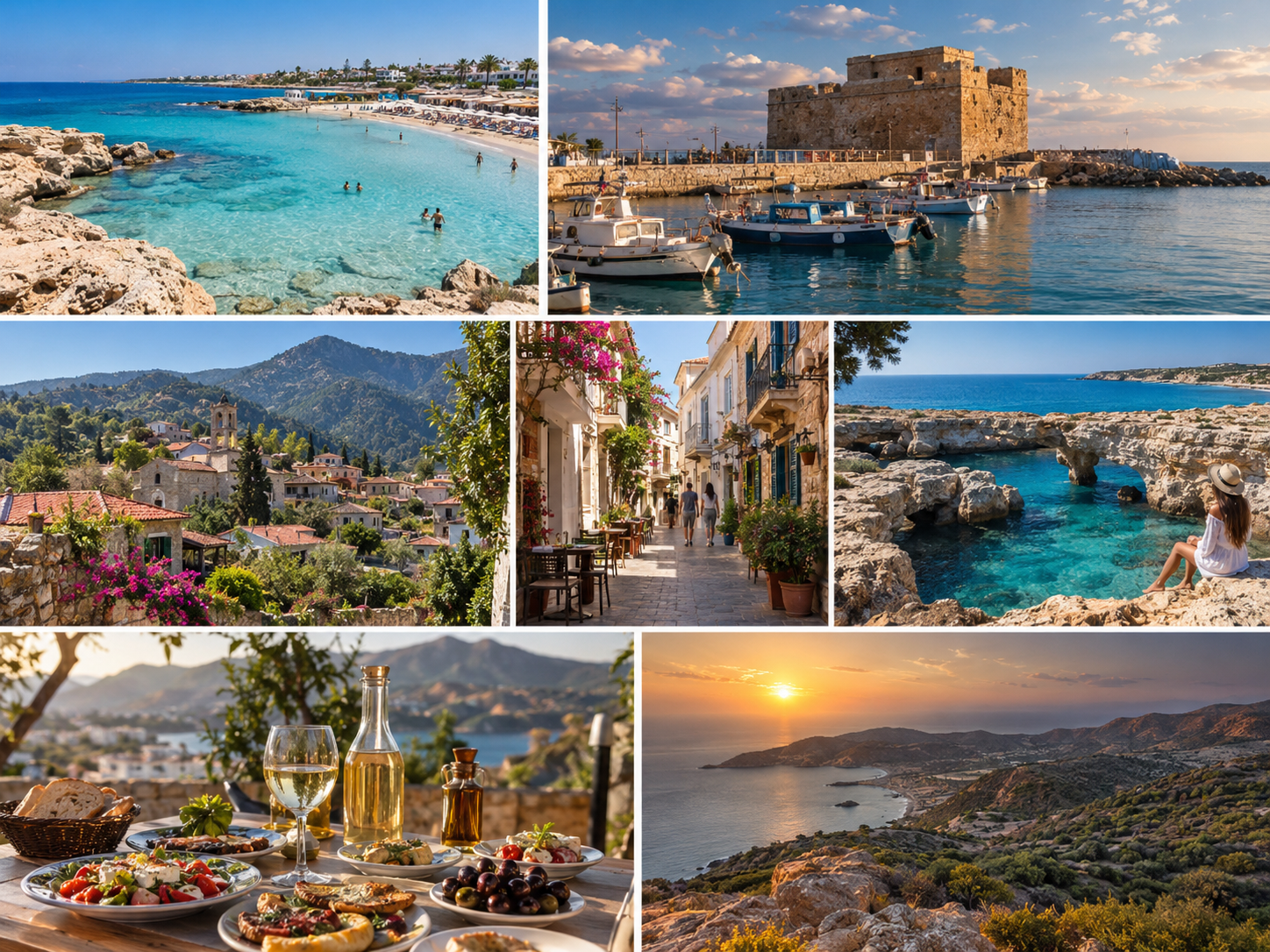
Seven days can support a road trip, but we would not attempt the full route described here.
With a week, choose two or three regions. Paphos, Limassol and Troodos can form one coherent journey; Larnaca, the southeast and Troodos can form another.
Around ten days, the island-wide structure becomes much more convincing. You can move from west to east through contrasting bases without every hotel stay feeling temporary.
Eleven or twelve days gives the route more breathing room, particularly if you want substantial beach time as well as several nights inland.
With fourteen days, the trip should become slower rather than simply longer. Add nights to places that reward familiarity, consider a proper Nicosia stay if the capital matters to you and allow yourself to return somewhere rather than introducing a fifth or sixth region.
Our 7 Days in Cyprus, 10 Days in Cyprus and 14 Days in Cyprus itineraries deal with those trip lengths separately. This page is about how the route should work when the car is part of the journey.
Stage 1 — Begin With Paphos And Western Cyprus
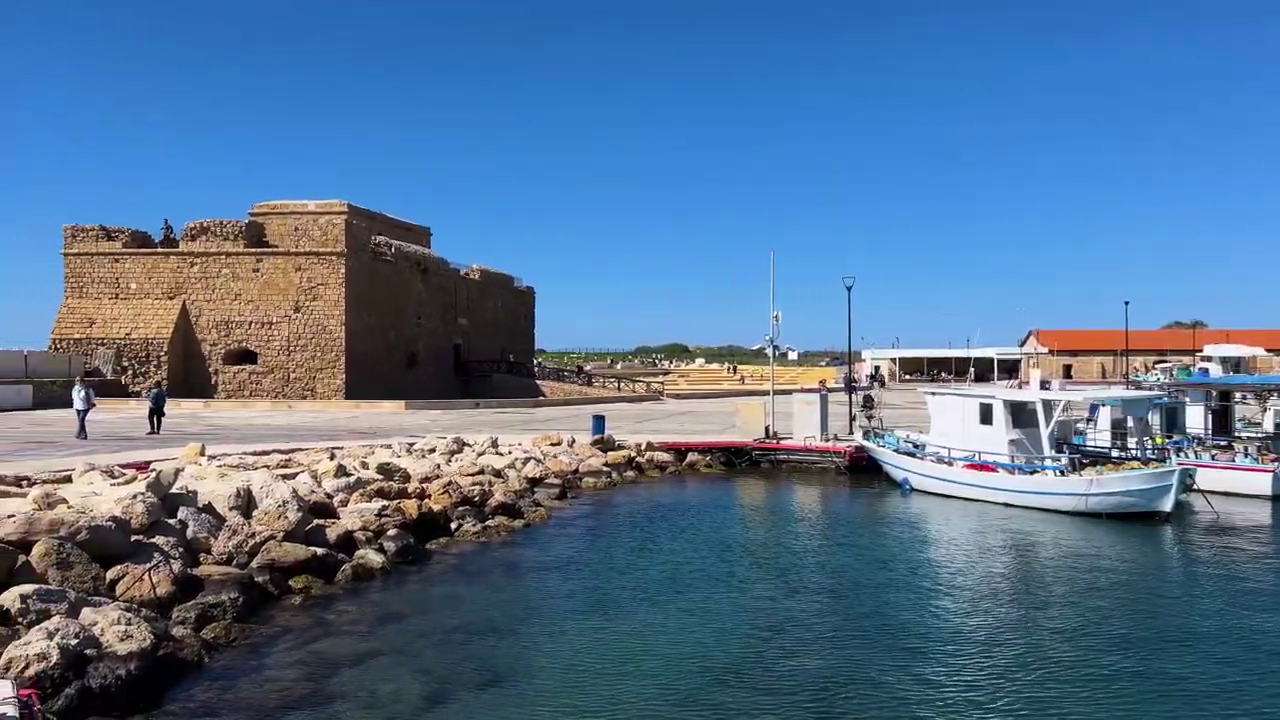

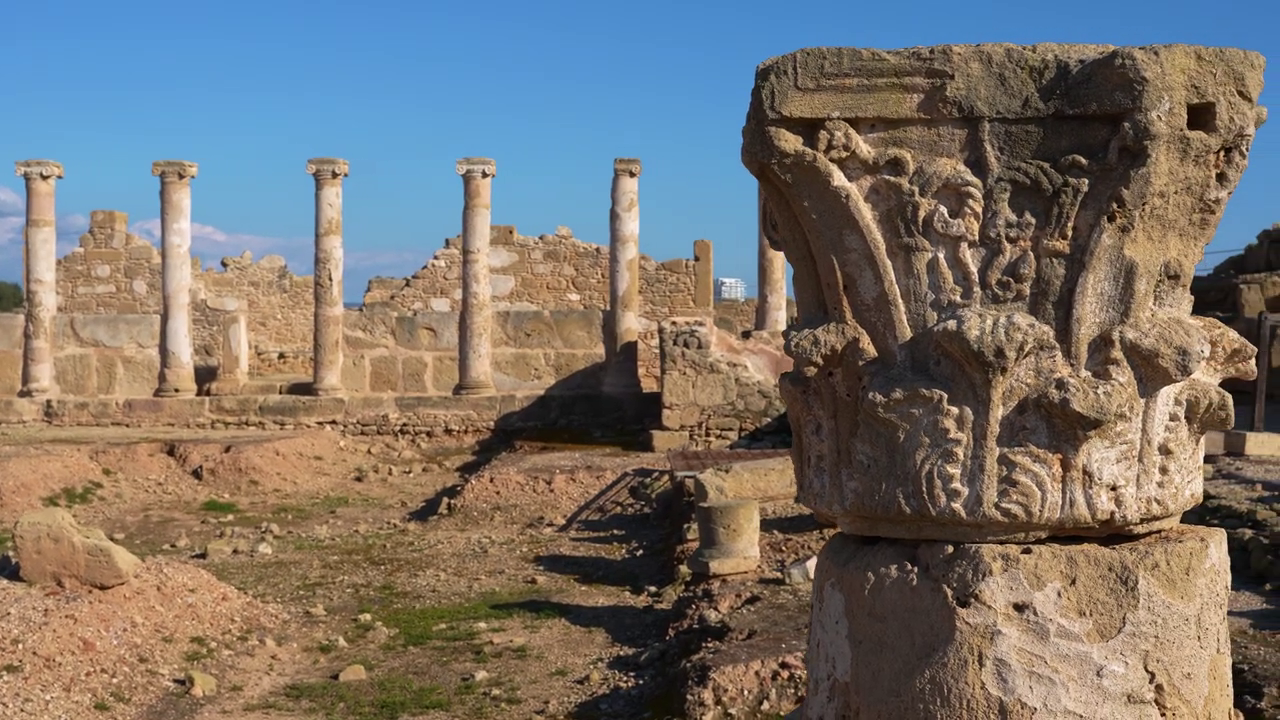
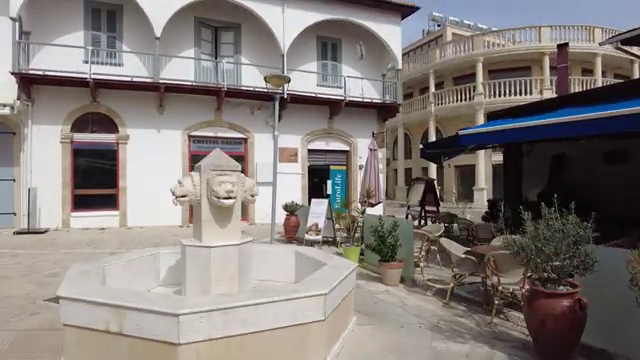
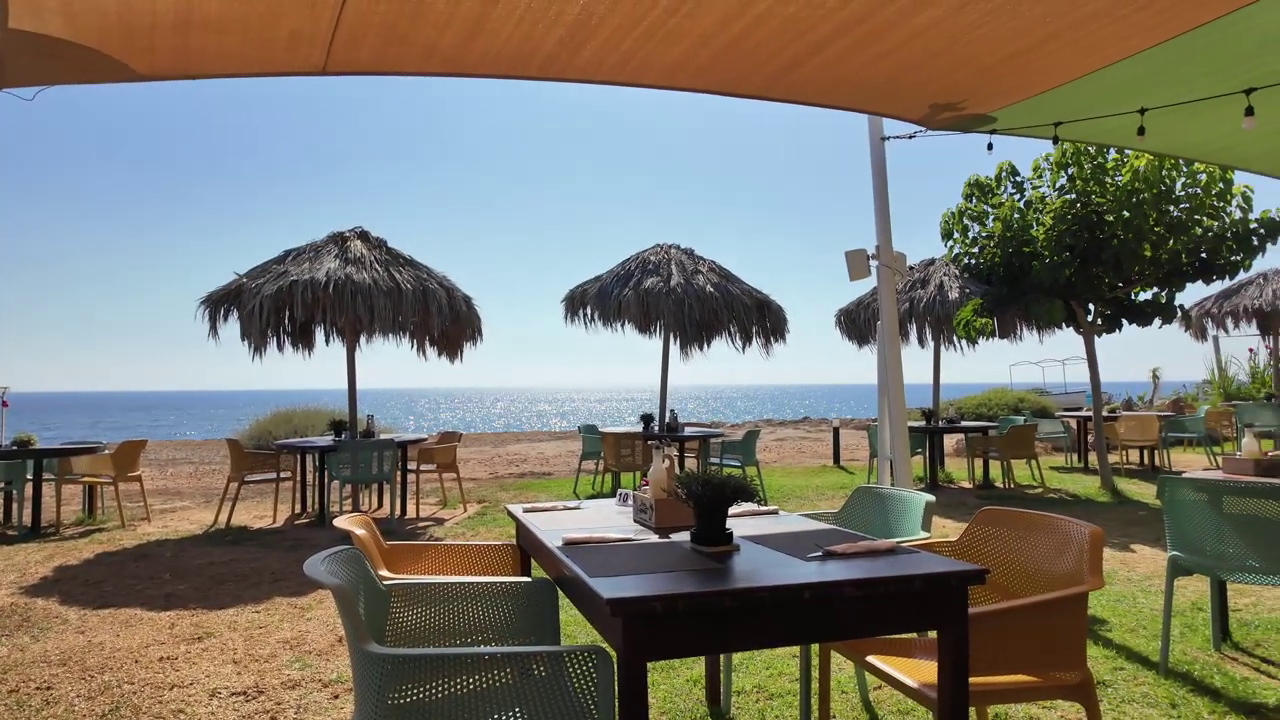
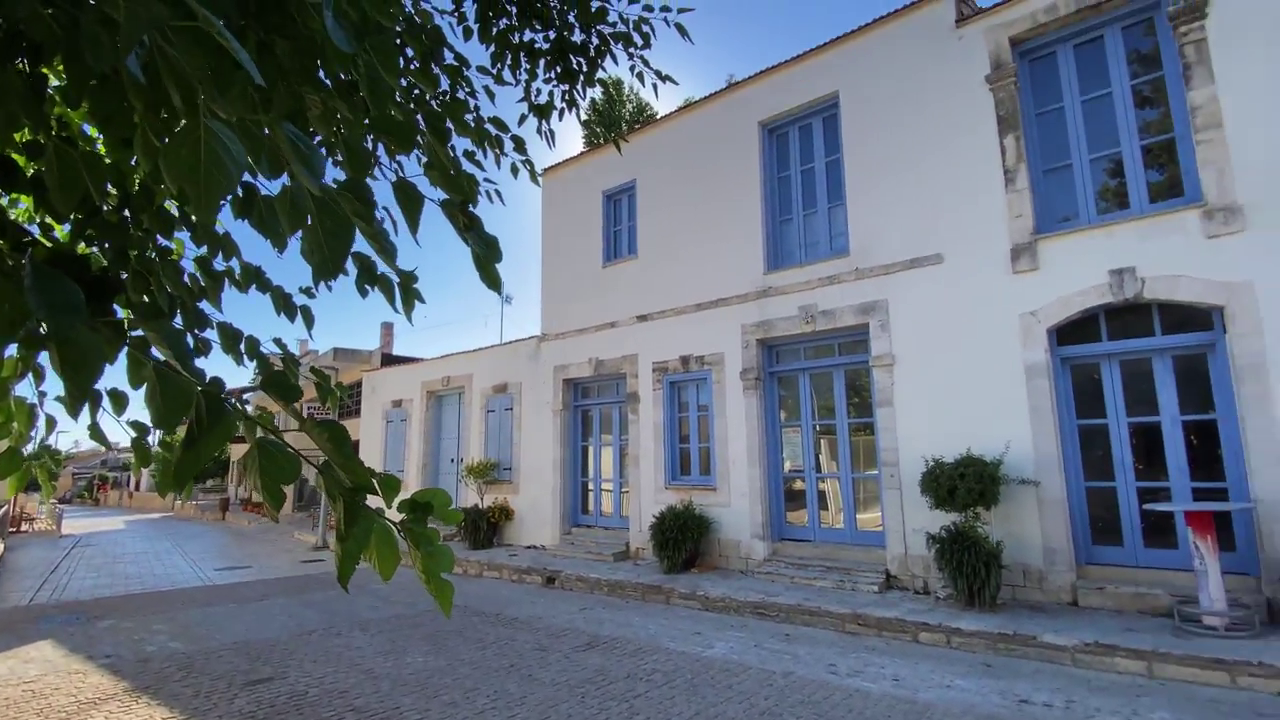
We would give Paphos around three nights in the road-trip version.
That does not mean spending three days continuously driving.
Use the beginning of the stay for Paphos itself. Kato Paphos, archaeology, the harbor and waterfront provide enough for a first day without immediately beginning another driving loop.
Then use the car to widen the geography.
One day can head toward Polis, Latchi and the Akamas side of western Cyprus, with the northwest treated as part of the experience rather than merely the road toward Akamas.
Another can turn inland toward the Paphos countryside, villages such as Kathikas and a winery when wine genuinely belongs to your interests.
The important road-trip decision is to return to the same accommodation afterward. Paphos is a base, not the first link in a chain of one-night stops across western Cyprus.
Keeping the same room gives you evenings that are not consumed by check-in and mornings that begin without luggage in the car.
Use the vehicle to expand a base before using it to replace one.
A Note About Driving Around Akamas
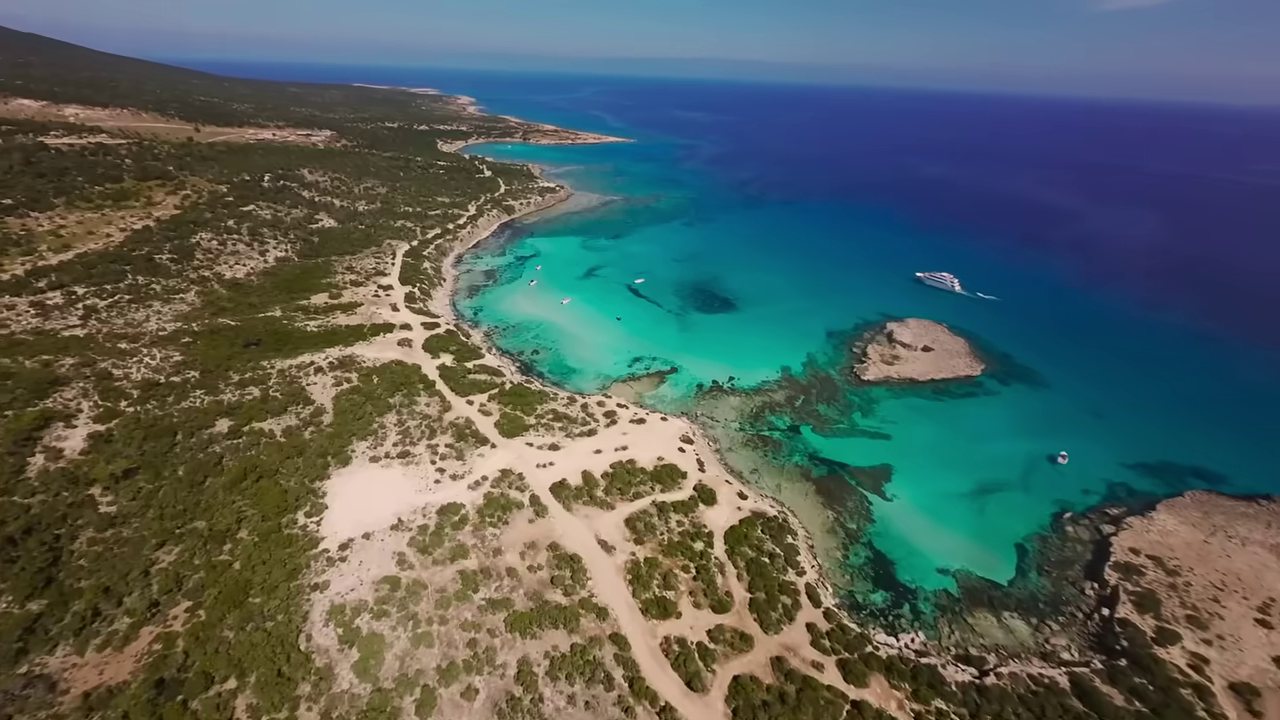 Akamas Peninsula, Paphos
Akamas requires more judgment than an ordinary coastal excursion.
Do not assume that every track visible on a map is suitable for a standard rental vehicle. Road and track conditions can vary, access can change and rental agreements may restrict where particular cars are allowed to be driven.
A digital route is not evidence that your vehicle should follow it.
Check current access information and the conditions of your rental agreement before leaving ordinary roads. If the road, vehicle or rental terms make a particular route unsuitable, choose another way to experience the area.
The aim is to create freedom, not turn an attractive day into a vehicle problem.
Stage 2 — Move From Paphos To Limassol
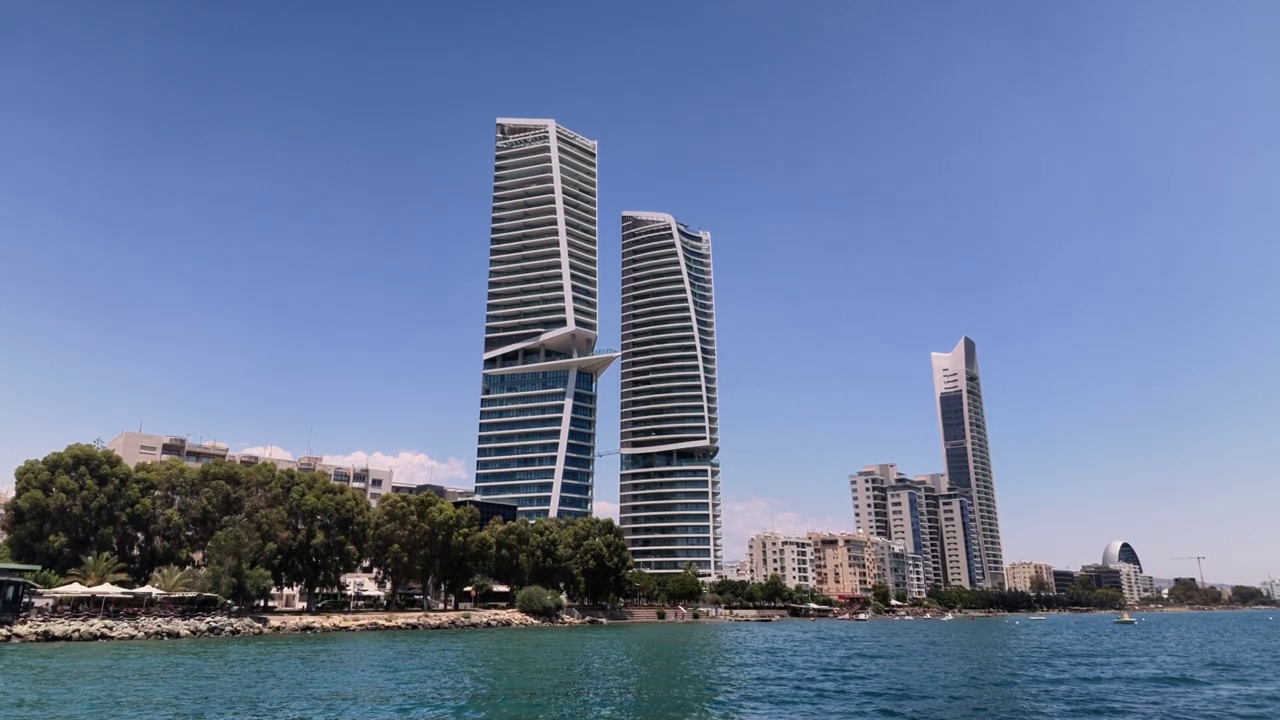 Limassol
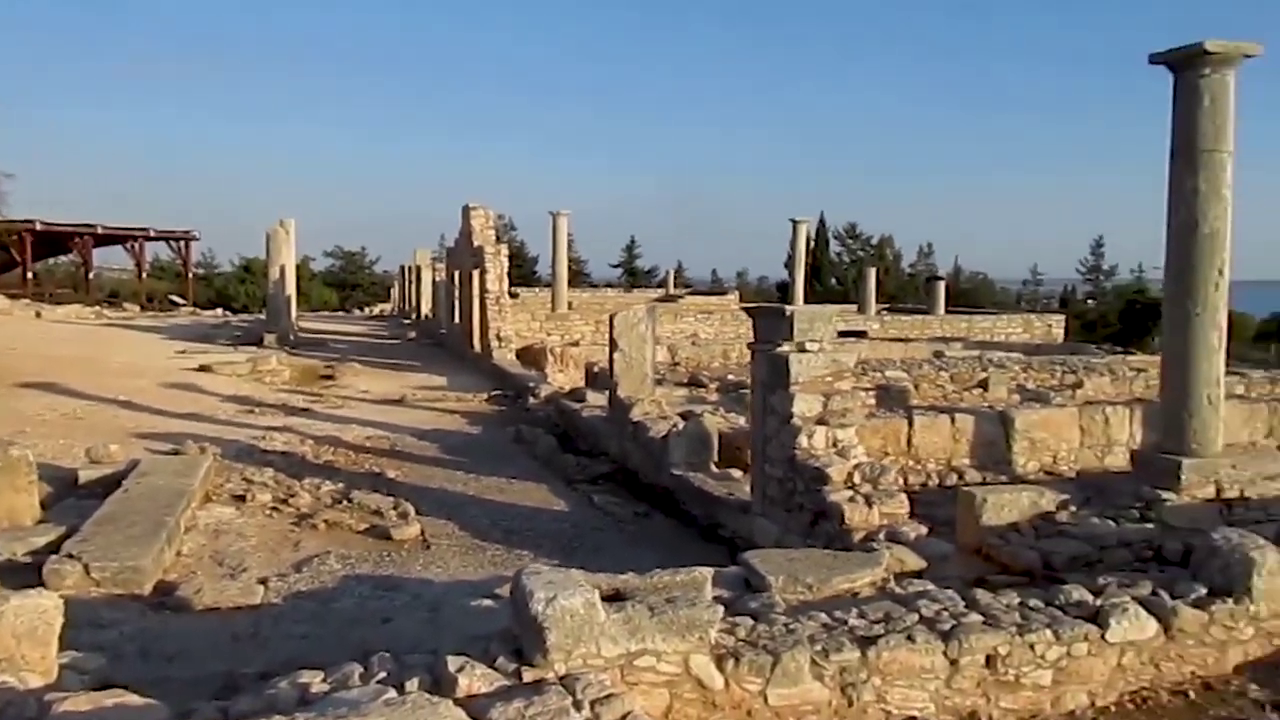 Kourion Archaeological Site, Limassol
The first accommodation change should feel logical.
Leave Paphos for Limassol, using the transfer day for one substantial experience rather than turning the journey into a string of interruptions.
For travelers interested in archaeology, Kourion fits naturally into this section of the route. It gives the relocation a purpose without requiring an artificial detour.
Afterward, continue to Limassol and stop moving.
There is no need to arrive and immediately begin another excursion simply because usable daylight remains. Limassol deserves an evening in its own right, particularly after several days based around Paphos.
A transfer day does not need to become a sightseeing marathon.
If one meaningful stop improves the journey, make it. If the stop exists only because the road passes nearby, keep driving.
Give Limassol Time Without Using The Car
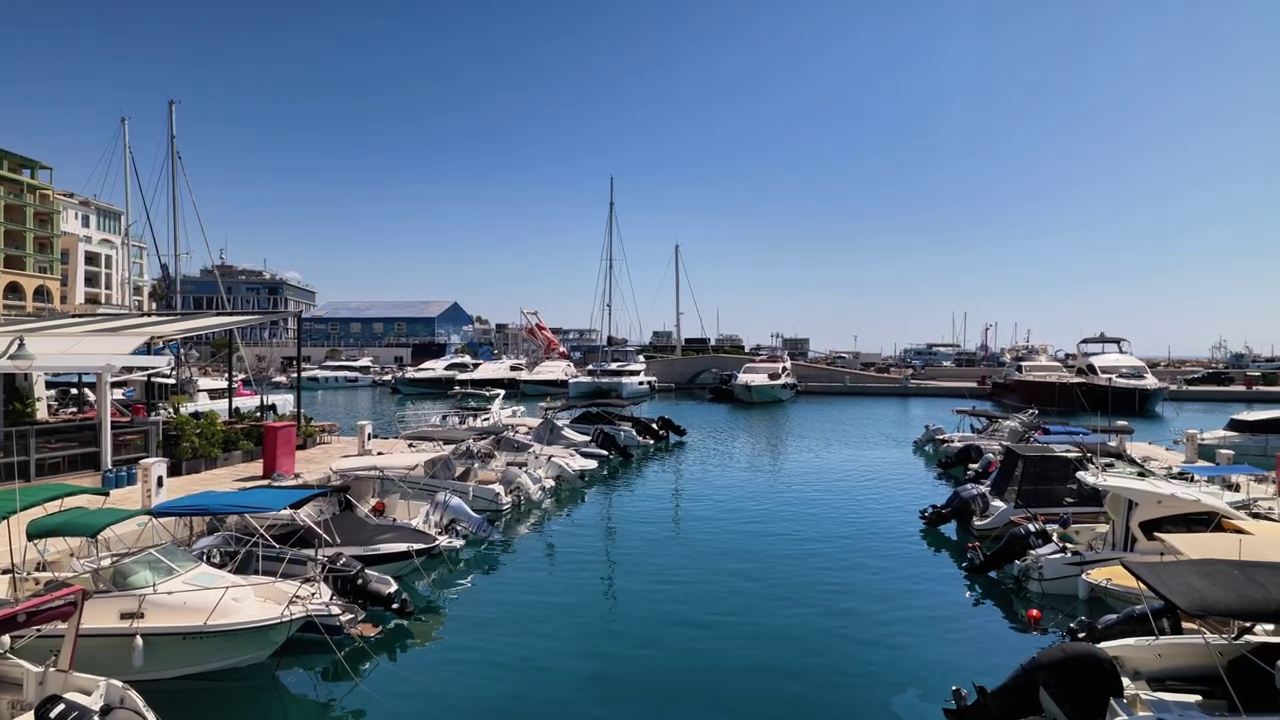 Limassol Marina
 Old Limassol (Lemesos)
Limassol is a useful reminder that owning the car for the week does not mean using it every day.
Once you have parked, there may be little reason to retrieve it until you leave the city or head inland. Depending on where you stay and what you want from the day, walking or other local transport may make more sense.
That change of rhythm is valuable.
After excursions around western Cyprus, a day where the car remains parked can reset the trip. Walk, eat, spend time around the city and allow the road trip to become urban for a while.
Travelers whose priorities include restaurants, city energy and contemporary coastal Cyprus may want two or three nights here. Travelers more interested in mountains and villages may need less.
The car gives you permission to leave.
A good road trip also knows when to stay.
Stage 3 — Turn Inland Toward Troodos
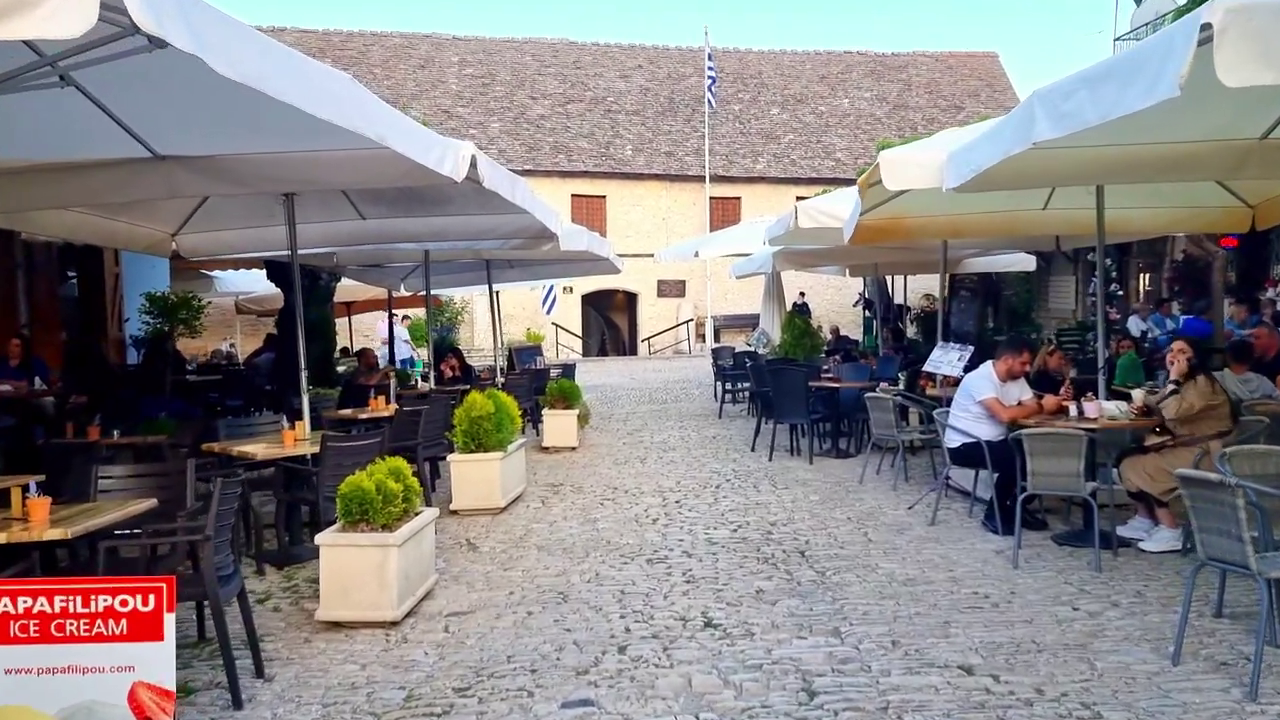 Omodos Square
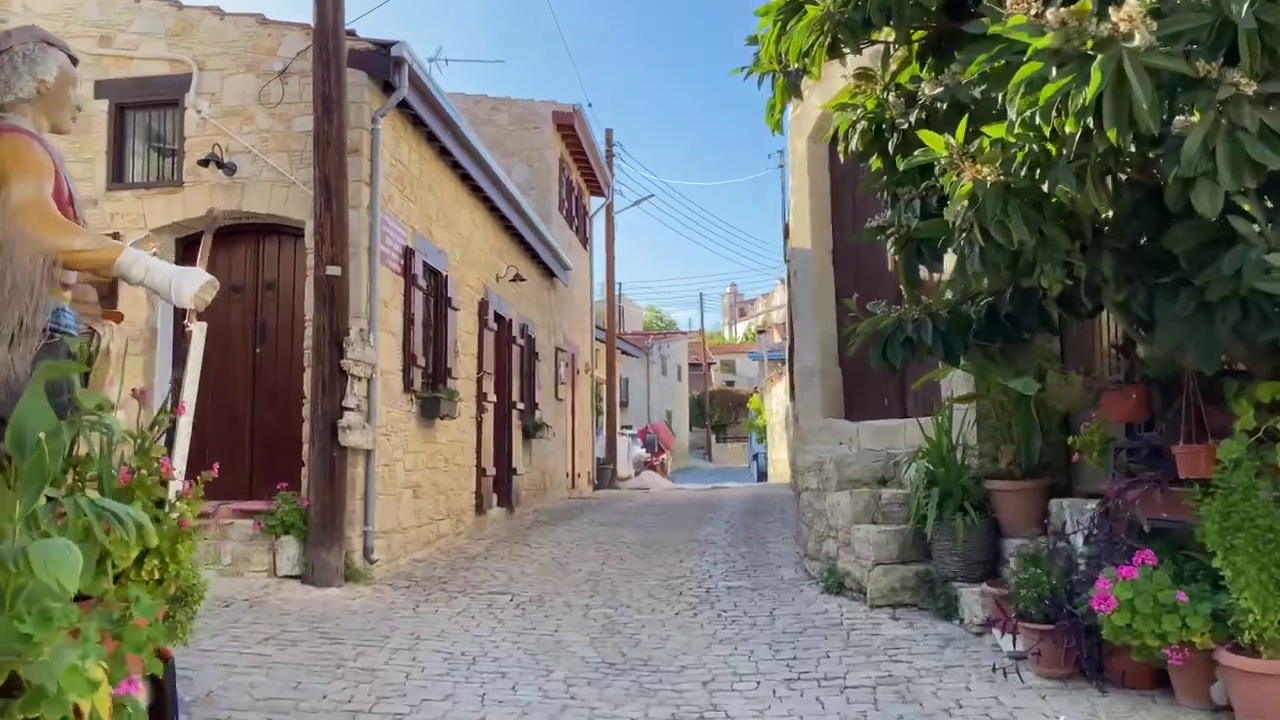 Lofou Village
From Limassol, the itinerary should move into the Troodos Mountains.
This is one of the transitions that justifies having a car in the first place.
Do not treat Troodos as a viewpoint reached at the end of a mountain drive. The value lies partly in the change between coastal Cyprus and the interior: smaller roads, villages, elevation, forested landscapes and days that need a different pace.
A village such as Omodos can fit naturally into the journey when wine-village character, food or a winery interests you.
Do not attempt to combine every village between Limassol and your accommodation. Choose one or two worthwhile reasons to stop and allow the road between them to remain part of the experience.
When you reach your mountain accommodation, leave the car there.
The overnight earns its place because you experience Troodos after the transfer has finished, not because you added another pin to the road-trip map.
Why We Would Sleep in Troodos
 Troodos Mountains
You can visit Troodos from the coast, but a day trip and an overnight stay create different journeys.
Sleeping in the mountains changes the morning. You begin inside the landscape rather than approaching it after breakfast from Limassol or another coastal base.
It also changes the evening. There is no need to calculate the drive back to the coast just as the day is becoming quieter.
For a substantial road trip, we would normally allow two nights in Troodos, and longer when walking, villages or mountain landscapes are central to the trip.
One night can serve as a transition. Two gives you enough time for the mountains to become a place rather than simply a route.
A Full Troodos Day: Drive Less Than You Think
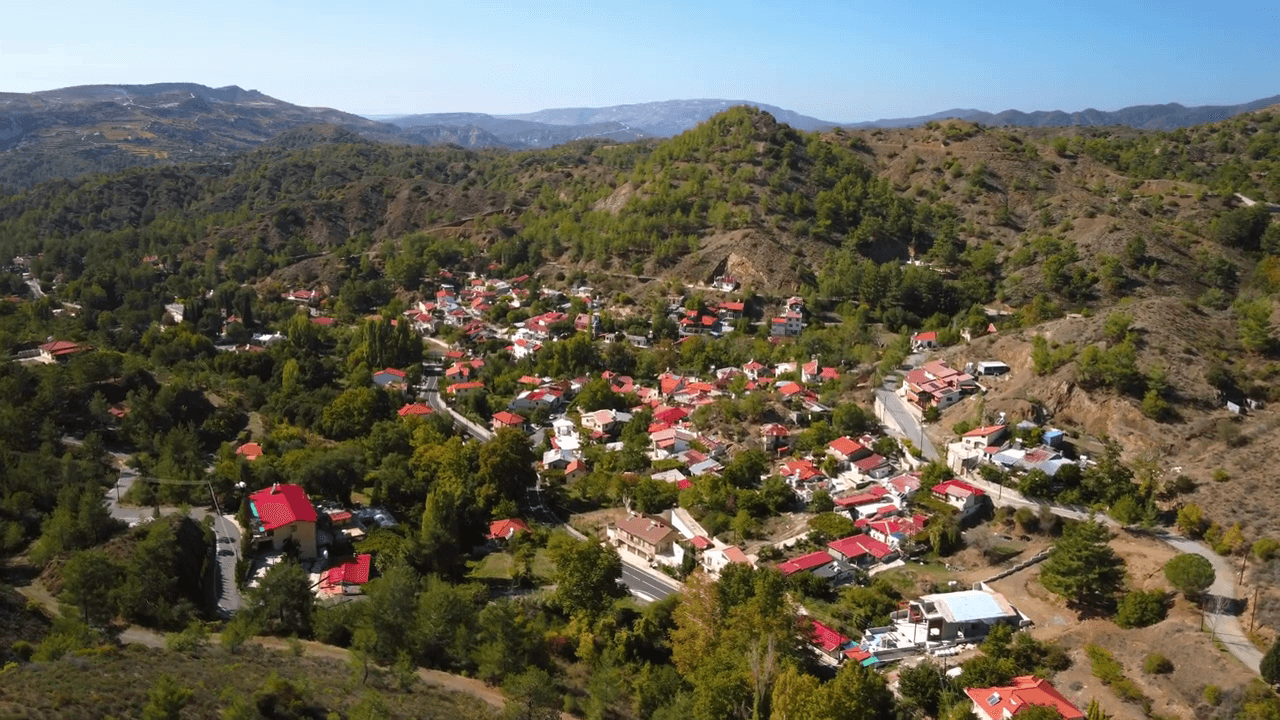 Platres Village
Your full mountain day does not need an elaborate circuit.
Choose what version of Troodos you want.
For some travelers, that means walking and forested scenery. For others, villages, churches, food and mountain roads matter more. Platres may make sense within one route, while another day may work better around different villages depending on where you stay.
The common road-trip mistake is connecting too many places because the distances look small.
Mountain driving changes the calculation. Bends, elevation, parking, slower roads and stops all affect the day, while weather may differ substantially from the coast.
Check current weather and road information whenever conditions could materially affect the route, particularly during cooler periods.
Then remove stops until the day feels comfortable.
The road should lead to experiences. The experiences should not exist merely to justify more driving.
Stage 4 — Move East Toward Larnaca
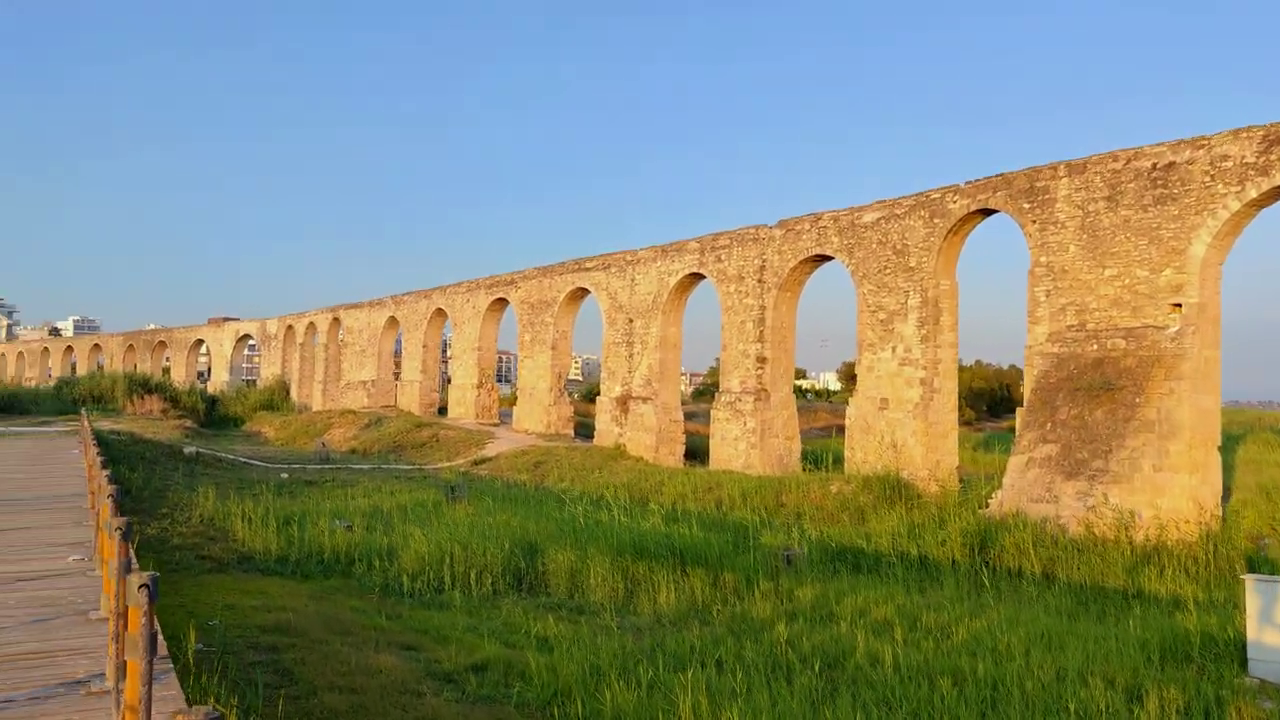 Kamares Aqueduct, Larnaca
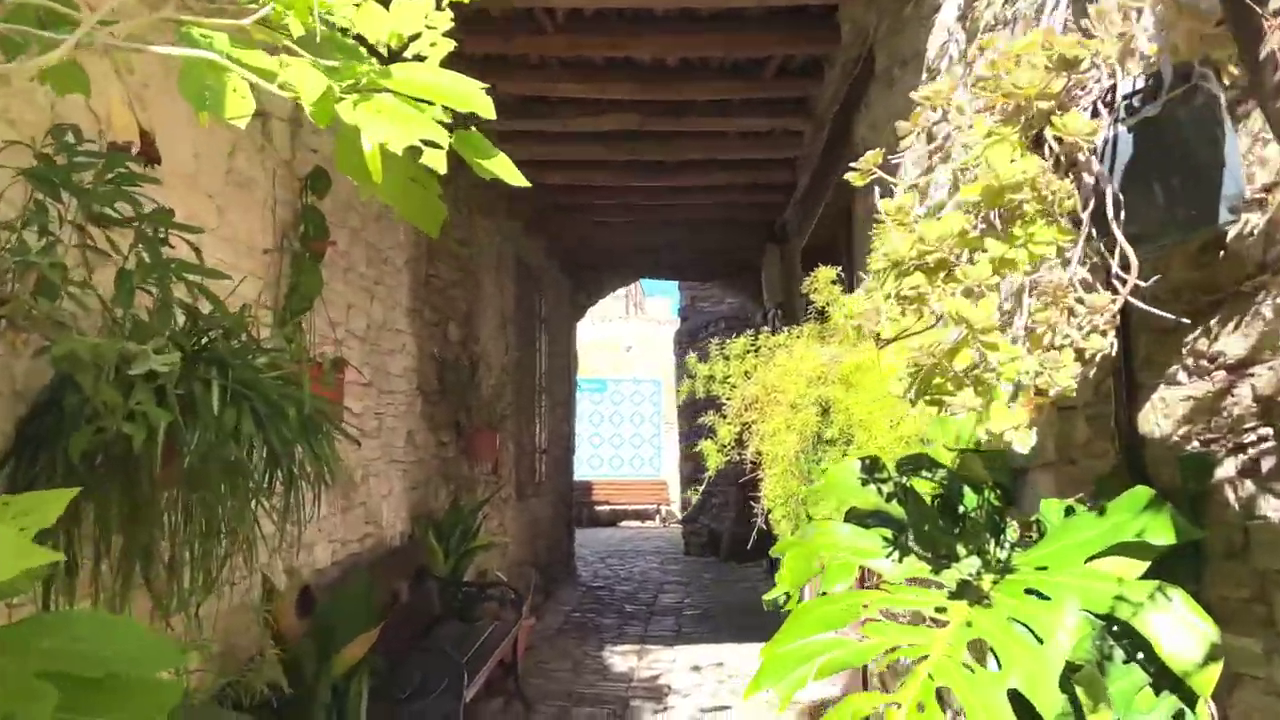 Lefkara Village
The route now needs to continue east.
For most travelers, we would make Larnaca the final major base rather than continue changing hotels through eastern Cyprus.
Depending on your route, Lefkara can fit naturally into this transfer or be visited later from Larnaca. It works particularly well as a few unhurried hours rather than another village squeezed into an already full driving day.
The important question is whether the stop improves the day. If including it means rushing the mountain morning and the arrival in Larnaca, leave it for another time.
Once you reach Larnaca, settle in.
You are now positioned for the southeastern coast, Lefkara if you have not already visited, and Nicosia when the capital fits your interests.
Why Larnaca Works As The Eastern Base
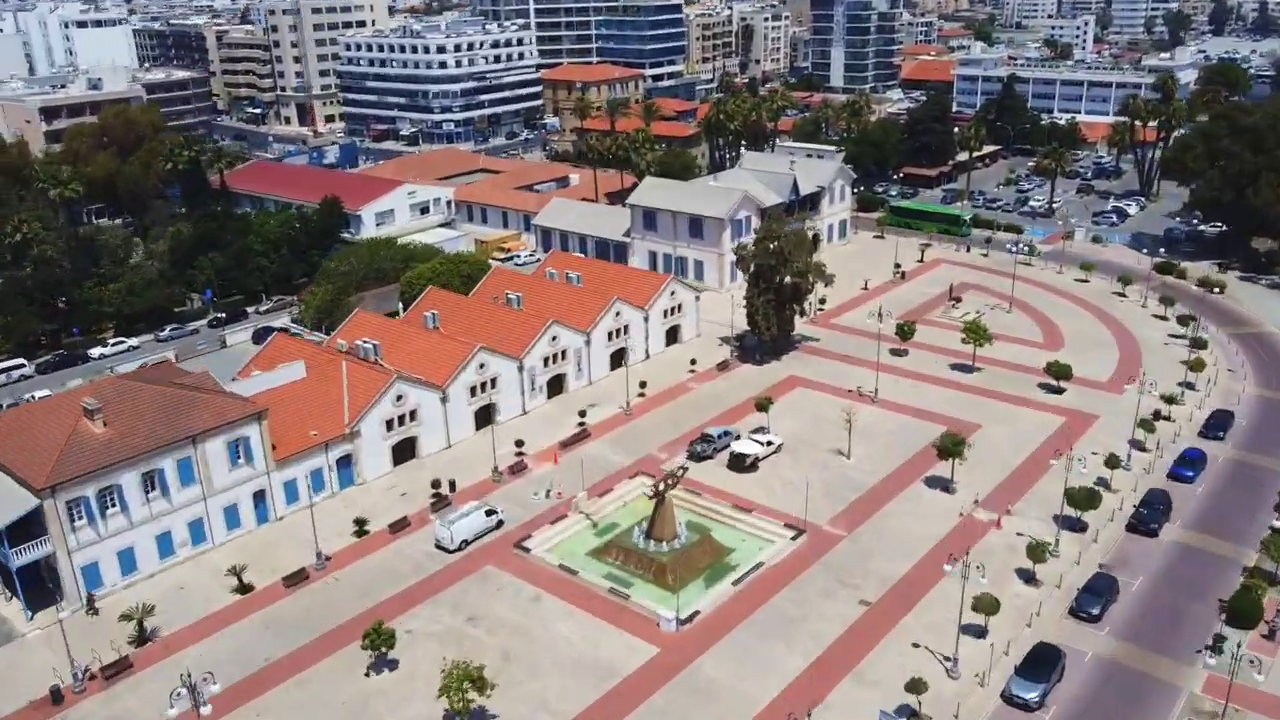
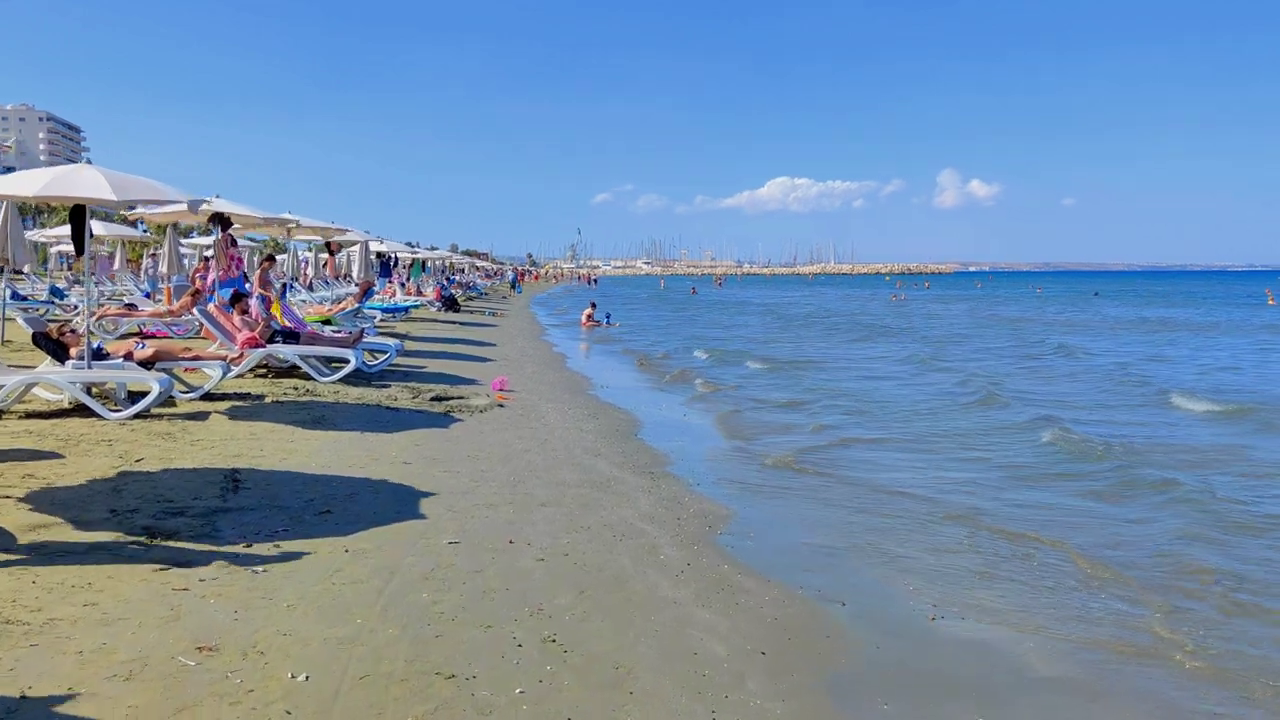
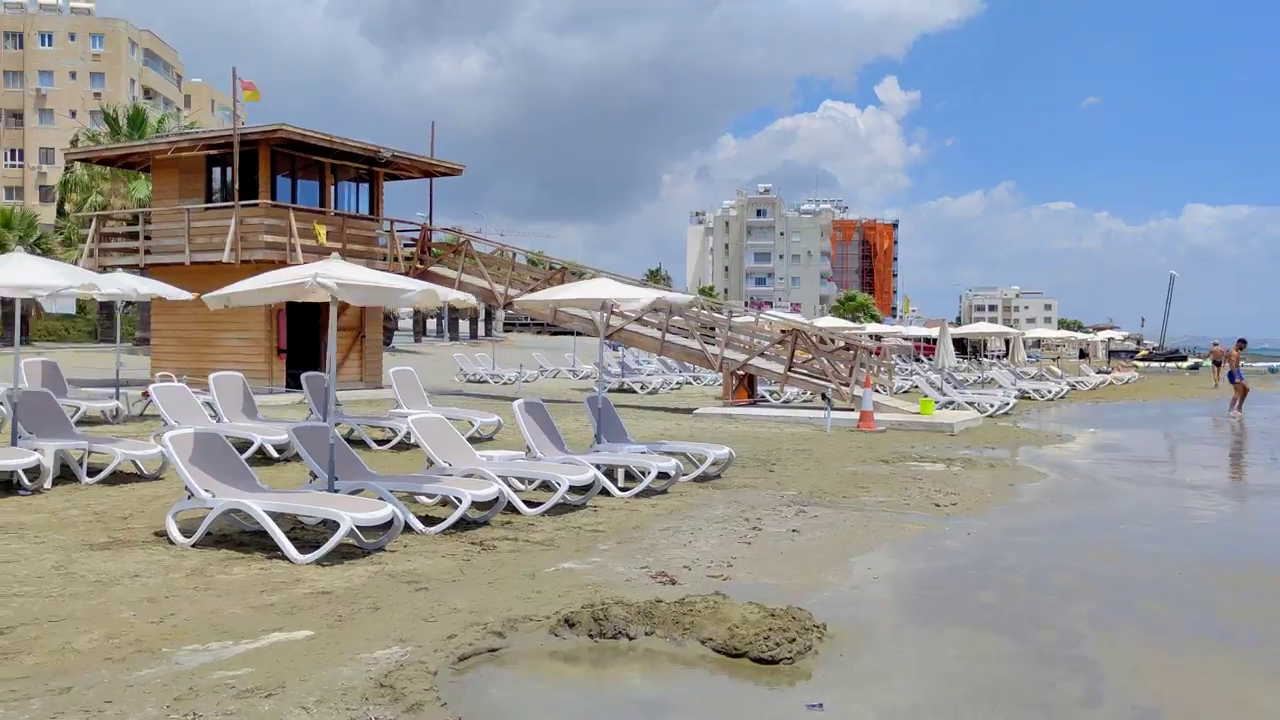
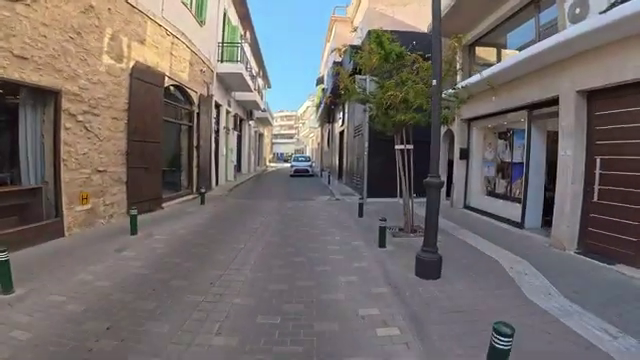
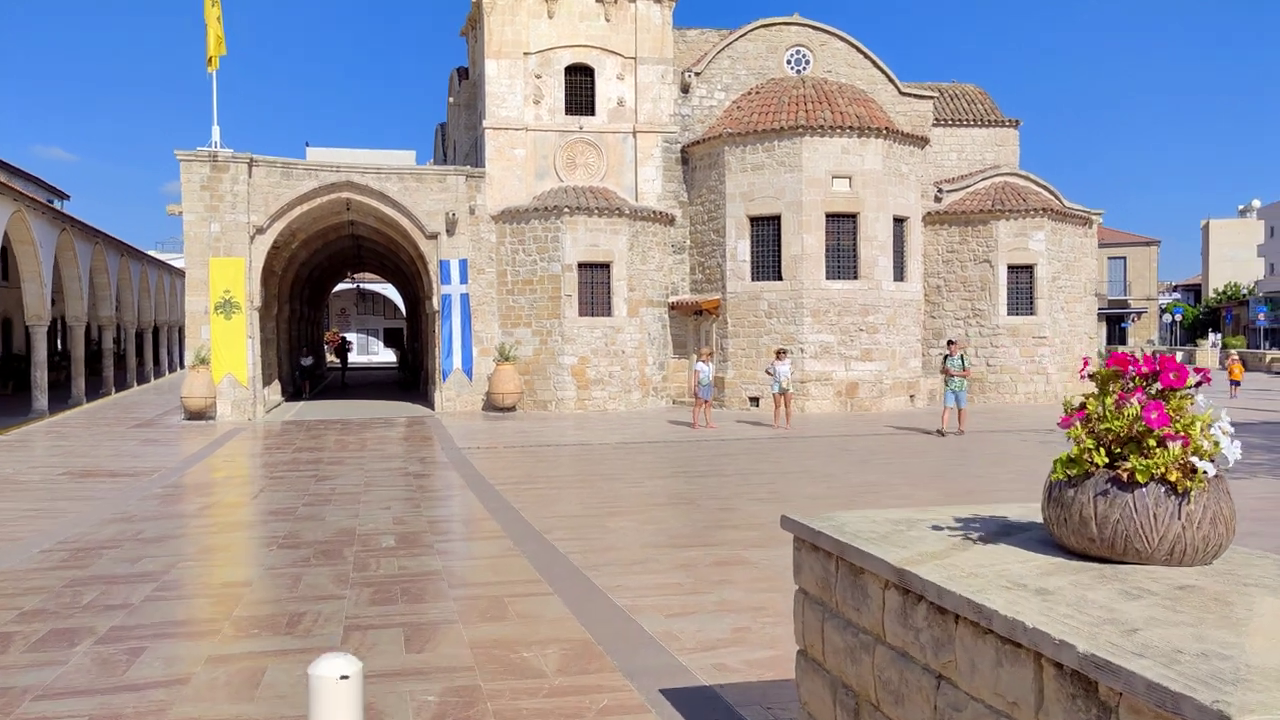
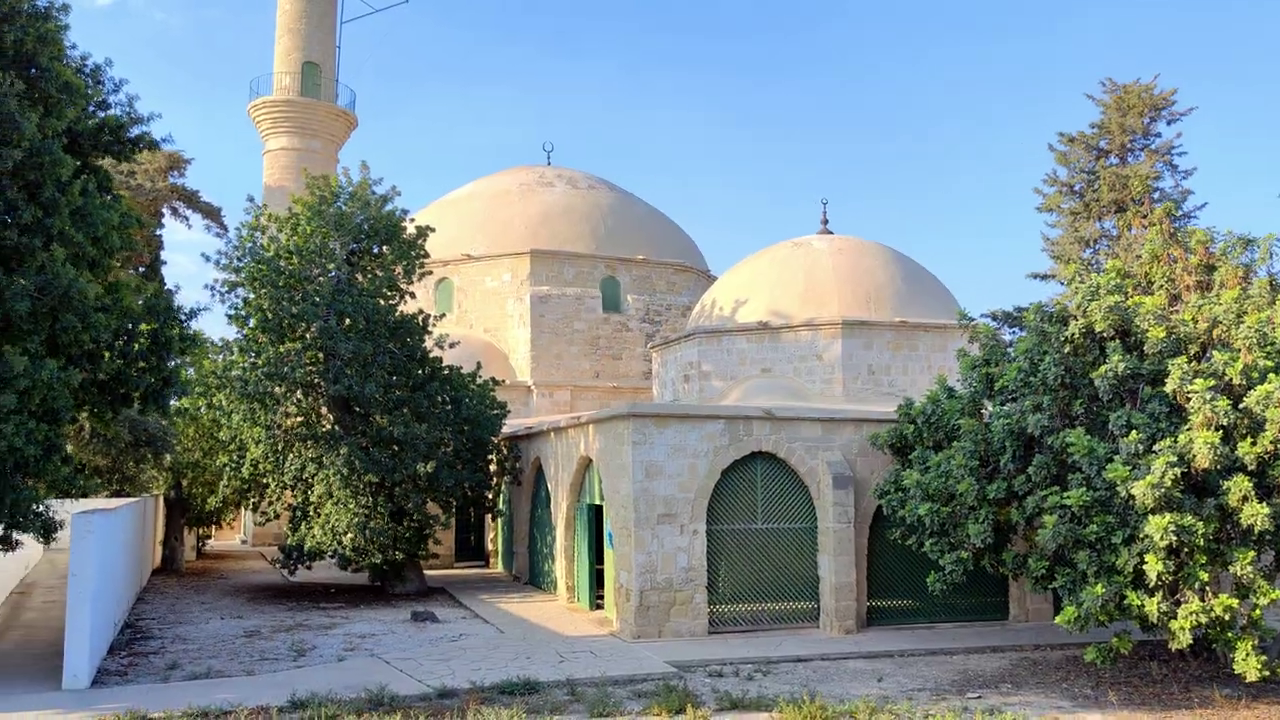
Larnaca allows several different types of day without requiring another hotel move.
The southeastern coast lies in one direction. Nicosia offers a completely different urban experience inland. Lefkara can provide village contrast, while Larnaca itself deserves time rather than functioning solely as a place to park between excursions.
That flexibility matters.
A poorly designed road trip keeps moving accommodation closer to tomorrow's attraction. A better one sometimes accepts a longer day trip in exchange for a stable base, familiar evenings and fewer check-ins.
Travelers whose overwhelming priority is the beaches around Protaras or Ayia Napa should make a different choice. Staying in the southeast can be worthwhile when repeated swimming, early beach time and evenings there are central to the trip.
But when your eastern days are mixed between coast, Larnaca and inland exploration, Larnaca makes a strong base.
The Southeast: Do Not Turn Beaches Into Checkpoints
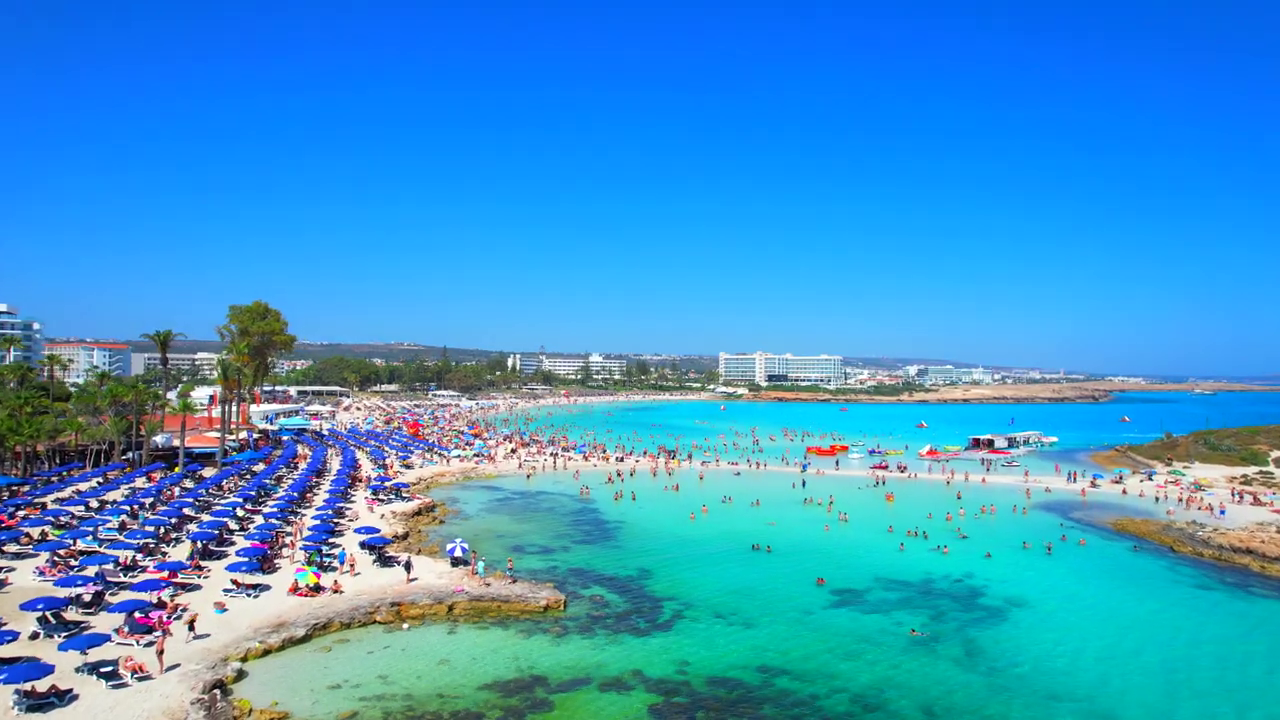
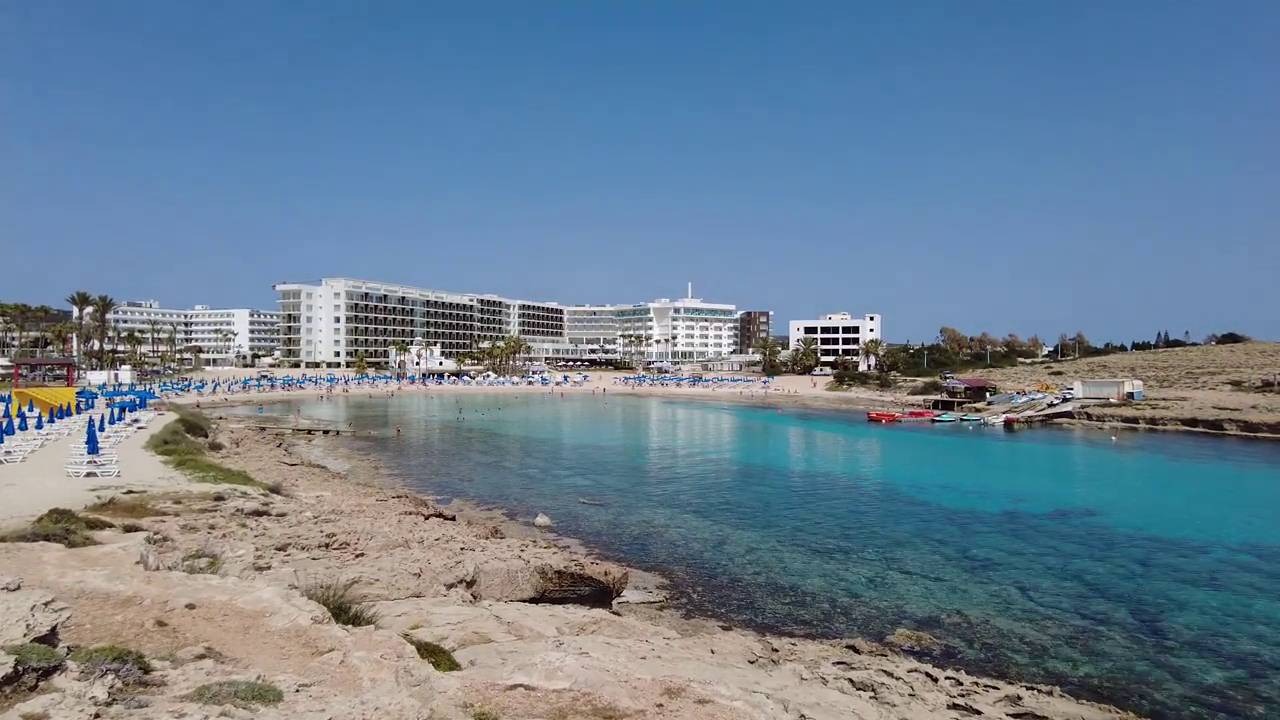
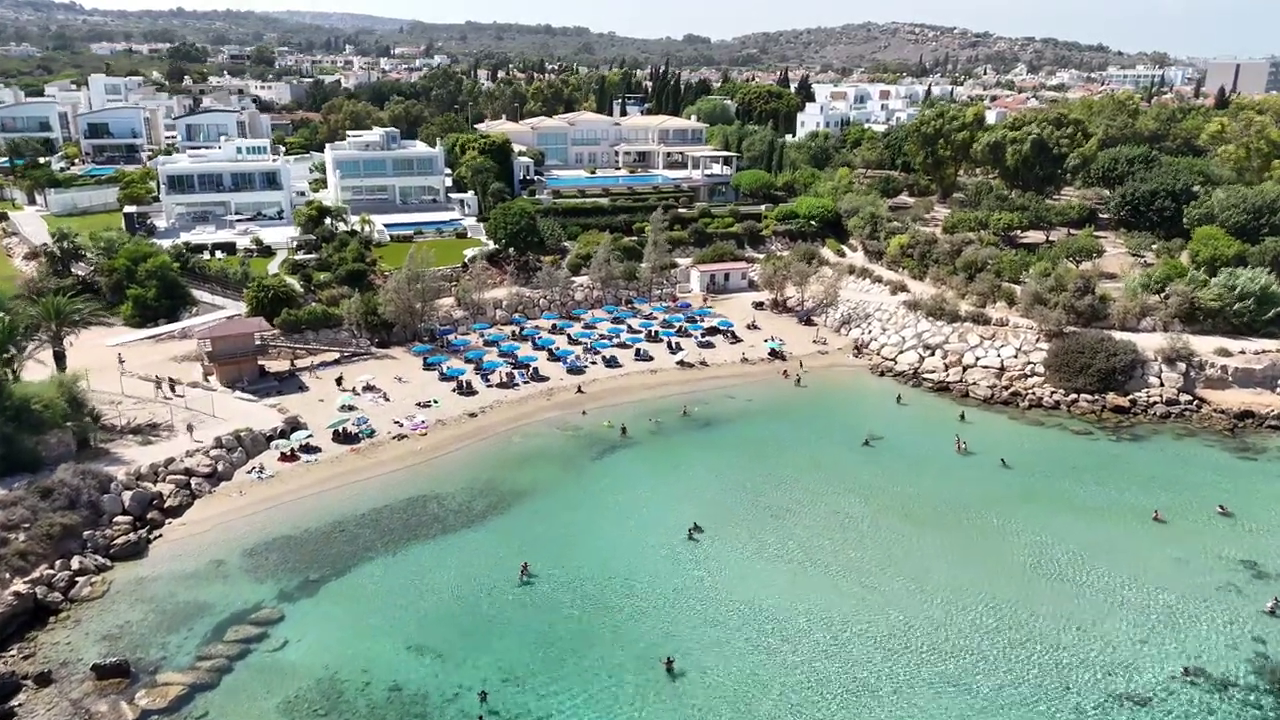
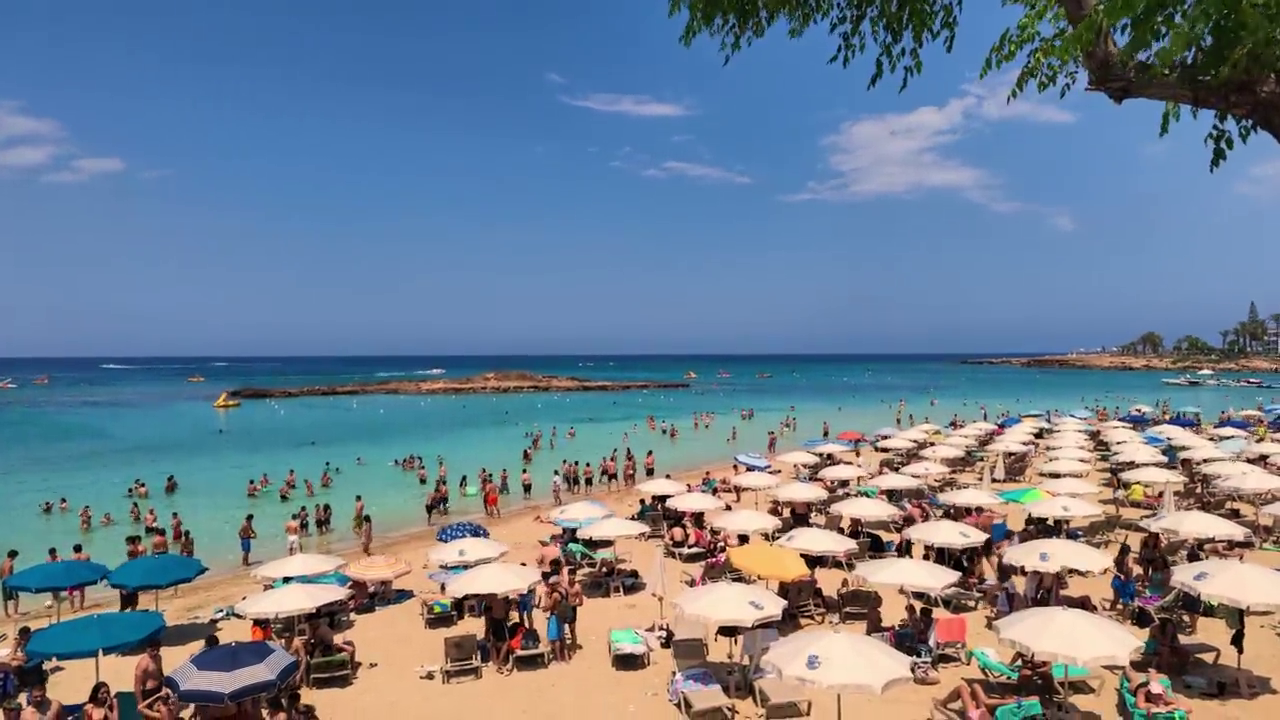
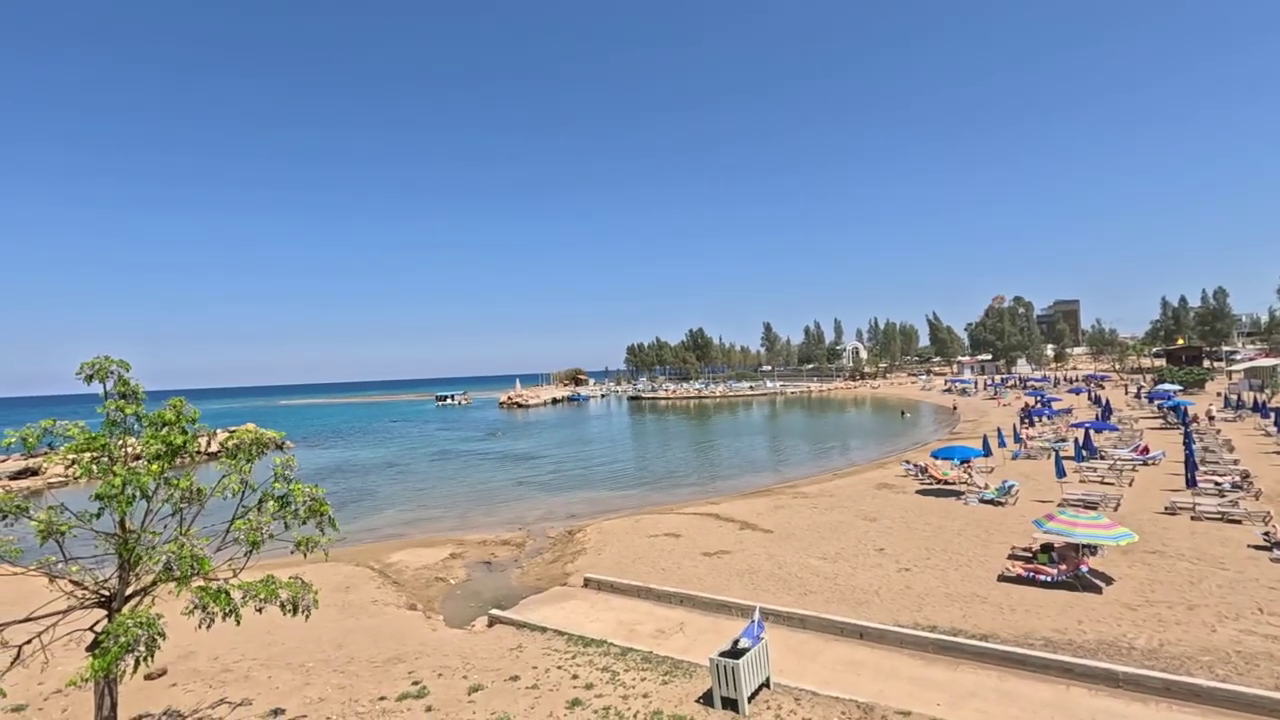
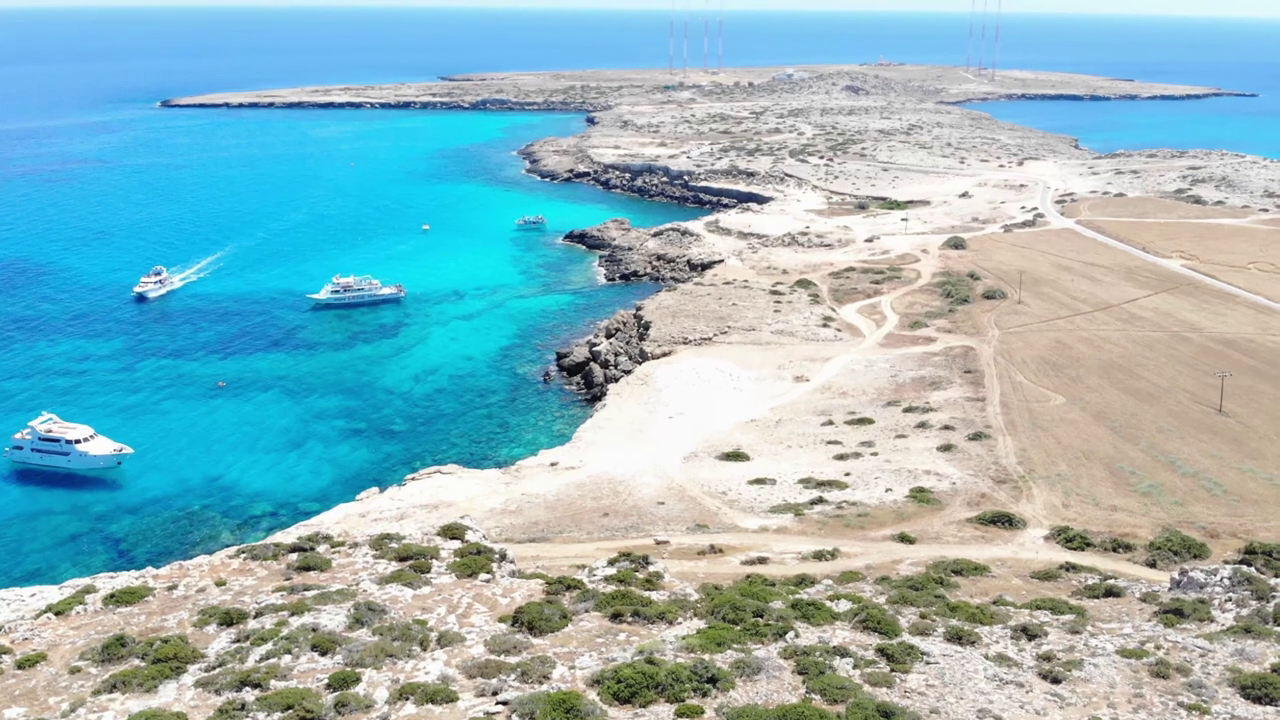
Driving east creates another temptation: beach collecting.
Do not spend the day moving from Nissi Beach to Cape Greco to Fig Tree Bay simply because the car makes all three accessible.
Decide what you want from the day.
If swimming is the priority, choose a beach and stay long enough to enjoy it. If coastal landscape matters more, make Cape Greco the center of the route and allow one beach or resort area around it.
If you want to understand the difference between Ayia Napa and Protaras, give each enough time for that distinction to become apparent.
The car makes comparison easy. It does not mean comparison should consume the day.
One of the pleasures of a Cyprus road trip is arriving somewhere independently and then forgetting about the vehicle for several hours.
The southeast is a good place to do exactly that.
Where Nicosia Fits
 Eleftheria Square, Nicosia
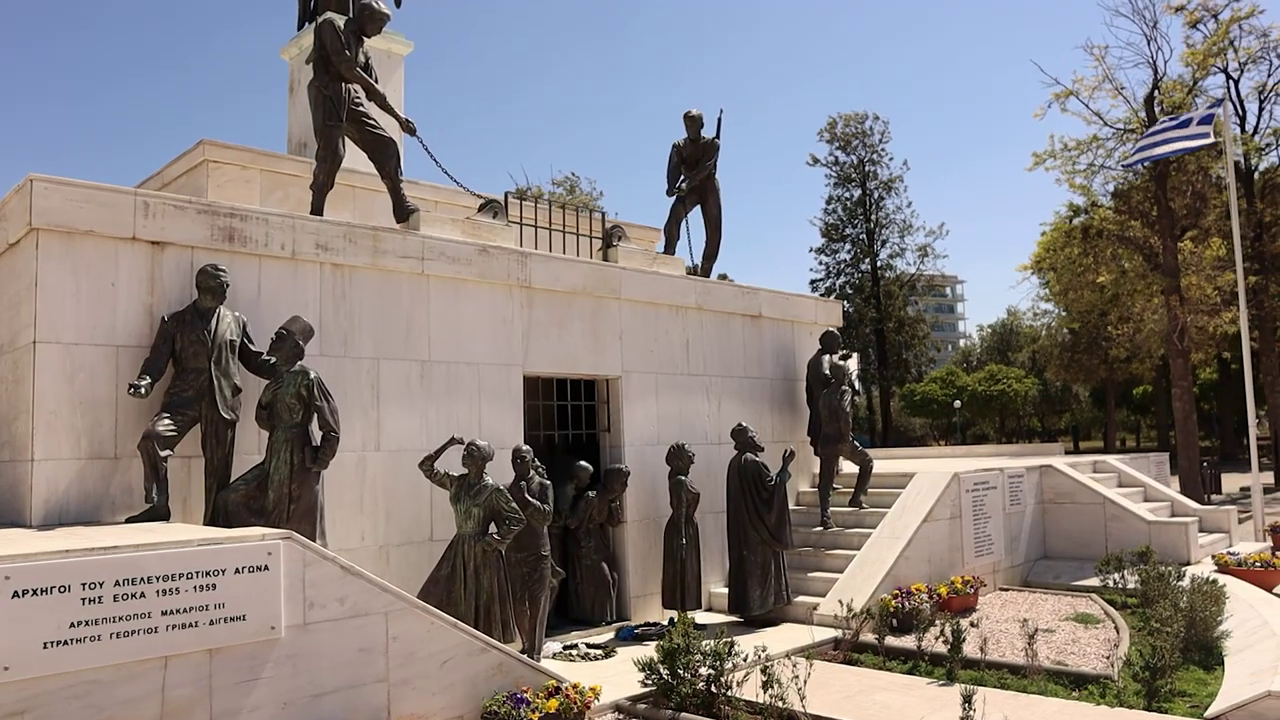 Liberty Monument, Nicosia
Nicosia should be included because you want Nicosia, not because an island road trip appears incomplete without the capital.
Travelers interested in museums, history, urban neighborhoods, food and contemporary inland Cyprus may want a full day or one or two nights there. Travelers more interested in beaches and landscapes may prefer to use that time elsewhere.
If Nicosia is a major priority, it can become an additional base between Troodos and Larnaca. That creates another accommodation change, but the capital is different enough from the mountain and coastal sections to justify it for the right traveler.
If the city is a secondary interest, visit without restructuring the entire route around it.
Once you reach central Nicosia, the car has largely completed its task. Park appropriately and experience the city on foot where practical rather than treating urban sightseeing as another drive-through stage.
Should The Road Trip Be A Loop?
Not necessarily.
A perfect circle can look satisfying on a map while doing very little for the actual traveler.
If your flight and rental arrangements make it practical to arrive through one airport and leave through another, a broadly linear route can reduce unnecessary retracing. Paphos → Limassol → Troodos → Larnaca works well for precisely that reason.
If you arrive and depart through the same airport, build the return journey into the trip without distorting every earlier stage simply to maintain a perfect loop.
The route does not become better because the line on the map closes.
It becomes better when each relocation takes you somewhere you wanted to go anyway.
What If You Start in Larnaca?
Reverse the broad geography, not every individual stop.
Begin with Larnaca and the southeast, move inland toward Troodos, continue to Limassol and finish in western Cyprus.
If Nicosia matters, it may fit more naturally toward the beginning of the trip.
The same principles remain: use a small number of strong bases, avoid moving hotels for modest geographic gains and let each relocation change the atmosphere of the journey.
Finishing around Paphos also creates a different ending. Instead of concluding with eastern beaches, you end with western coast, archaeology, countryside and the northwest.
Neither direction is inherently better.
Let the airports influence the route without allowing them to dictate every day.
How Many Bases Should You Use?
For roughly ten to twelve days, four bases is our preferred starting point.
Paphos, Limassol, Troodos and Larnaca each perform a different function. None exists merely to shorten the following morning's drive.
Add Nicosia as a fifth base only when experiencing the capital in the evening and following morning matters enough to justify another check-in. Likewise, add Protaras or Ayia Napa when staying beside the southeastern beaches is one of the principal reasons for the trip.
Hotel changes have a cost that is easy to underestimate: packing, check-out, arrival timing, parking, finding the property and losing the familiarity that had begun to develop in the previous place.
The strongest Cyprus road trips balance movement with continuity.
That usually means fewer hotels than the map initially encourages.
The Best Transfer Days Have One Good Stop
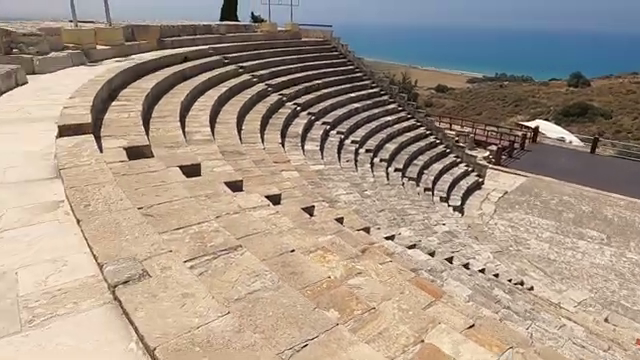 The Amphitheater, Kourion Archaeological Site, Limassol
Transfer days are often where road trips become overloaded.
You are already driving somewhere new, so almost anything near the route starts to look convenient.
We would use a simpler rule: give a transfer day one principal stop, occasionally two when they fit naturally and neither requires rushing.
Paphos to Limassol can accommodate Kourion. Limassol to Troodos can include a wine village. Troodos toward the east can include Lefkara when the route and timing make sense.
The exact examples matter less than the principle.
A transfer should still leave enough time to arrive, understand the new base and have an evening that does not feel like the exhausted final hour of a twelve-stop itinerary.
If you are repeatedly checking into hotels after long, overfilled days in the car, the route is too ambitious.
Backtracking: When It Matters
Not all backtracking is inefficient.
Driving the same short section of road back to a stable base can be preferable to changing hotels unnecessarily. The problem is repeated long-distance backtracking created by poor route order.
That is why we would not stay in one city and make daily cross-island excursions, nor zigzag from Paphos to Larnaca, back into Troodos and east again because accommodation and attractions were considered separately.
Think in geographical blocks.
Finish the western part before shifting east. Use the move inland to change the landscape. Position the final base for the experiences that follow.
The most efficient map is not always the best itinerary, but a route that repeatedly sends you across ground you have already covered deserves reconsideration.
Choose The Car For The Trip You Are Actually Taking
The most impressive vehicle is not automatically the most useful one.
For many Cyprus road trips, a comfortable car that accommodates the travelers and luggage without being unnecessarily large can make village streets, parking and everyday maneuvering easier.
The right choice depends on group size, luggage, driver confidence and the roads you genuinely expect to use.
Do not assume that a larger or more rugged vehicle gives permission to use unsuitable or restricted tracks. Rental terms and road conditions still apply.
Travelers unfamiliar with driving on the left may also find an automatic transmission easier because it removes one task from an unfamiliar driving environment, although availability and cost will vary.
Our Renting a Car in Cyprus guide covers vehicle choice and rental decisions in detail.
Keep The First Drive Simple
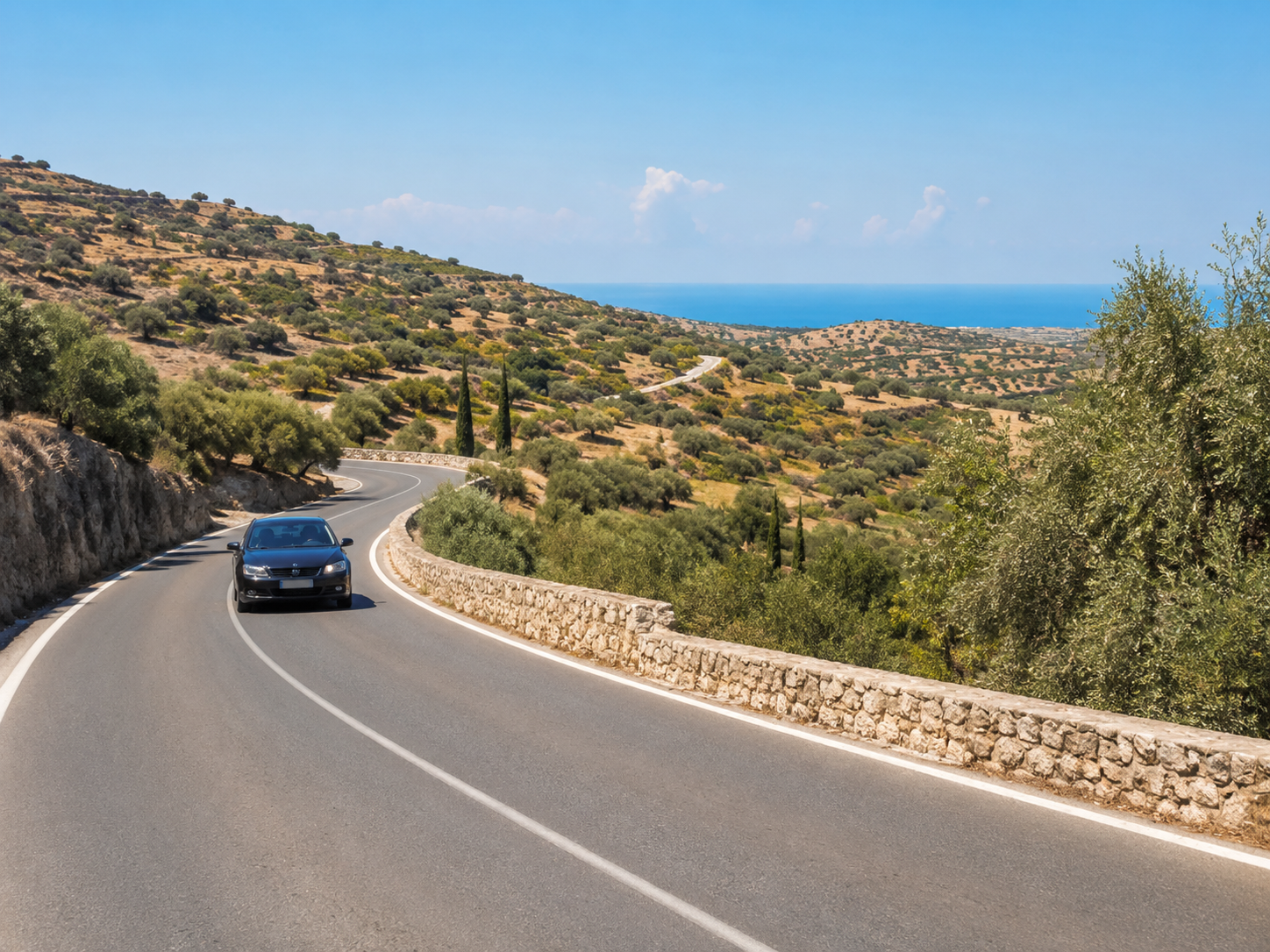
Cyprus drives on the left.
For travelers arriving from countries that drive on the right, the first drive should not also be the most complicated one of the trip.
Allow time to become familiar with the vehicle, road positioning and controls before beginning an ambitious mountain or rural route. Reaching the hotel and driving straightforward roads first can make far more sense than collecting the car after a flight and heading immediately into unfamiliar village streets.
Confidence often improves quickly once the first unfamiliar miles are behind you.
Our Driving on the Left in Cyprus and Driving Rules in Cyprus guides cover the practical details separately.
Park When Driving Stops Helping
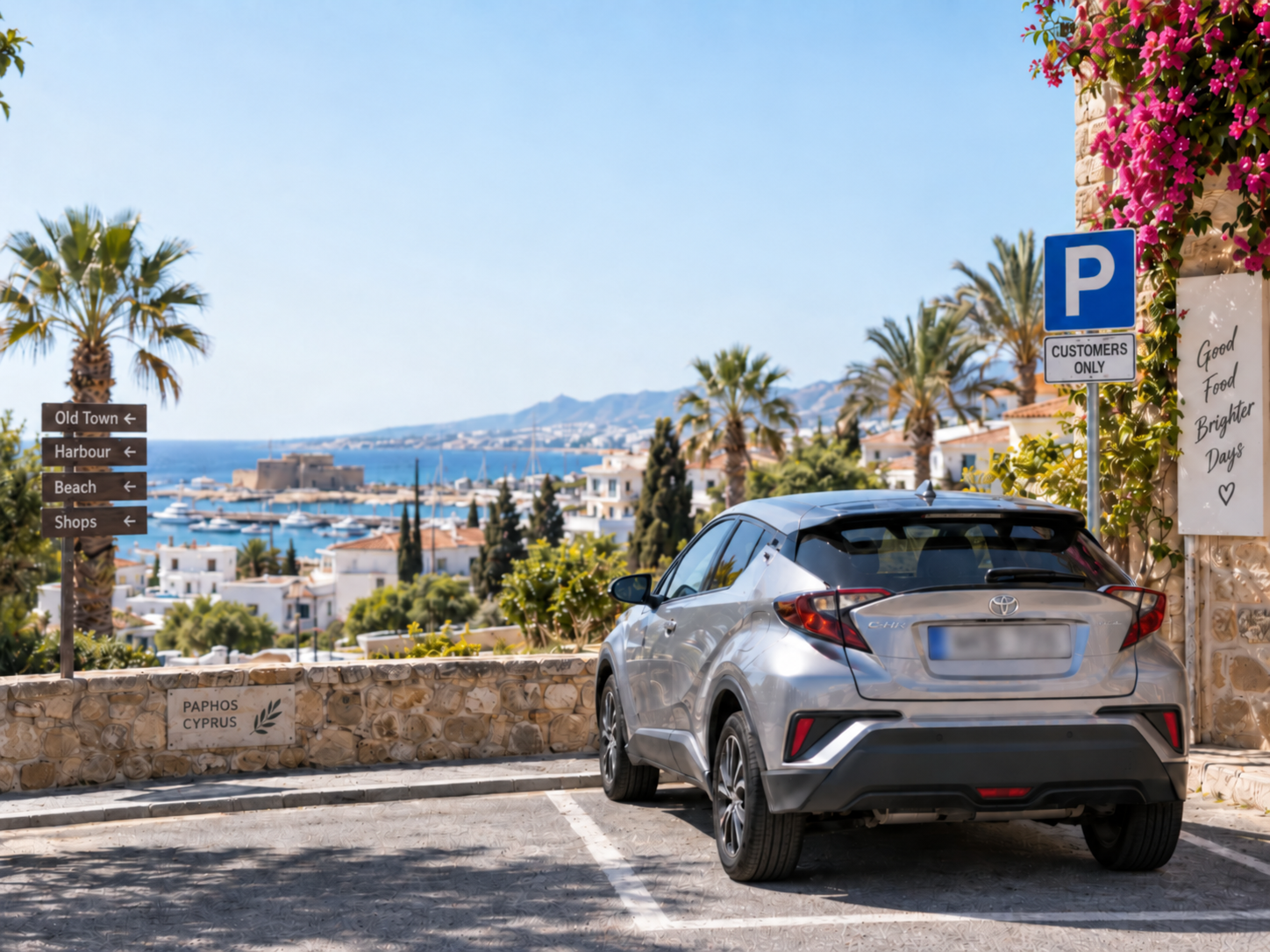
The car is most useful between places.
Once you reach a historic center, seafront, archaeological area, village core or beach where you intend to spend several hours, continuing to drive usually stops adding value.
Park legally and appropriately, then experience the place.
Accommodation choice matters here too. A hotel location that allows you to walk to dinner can improve a road trip because the driver's day actually ends. Over several nights, that may matter more than saving a small amount of time on the following morning's departure.
Our Parking in Cyprus guide covers the practical parking questions separately.
The road-trip principle is simpler: the trip is not measured by the number of hours spent inside the car.
Wine And Driving Should Be Separate Decisions
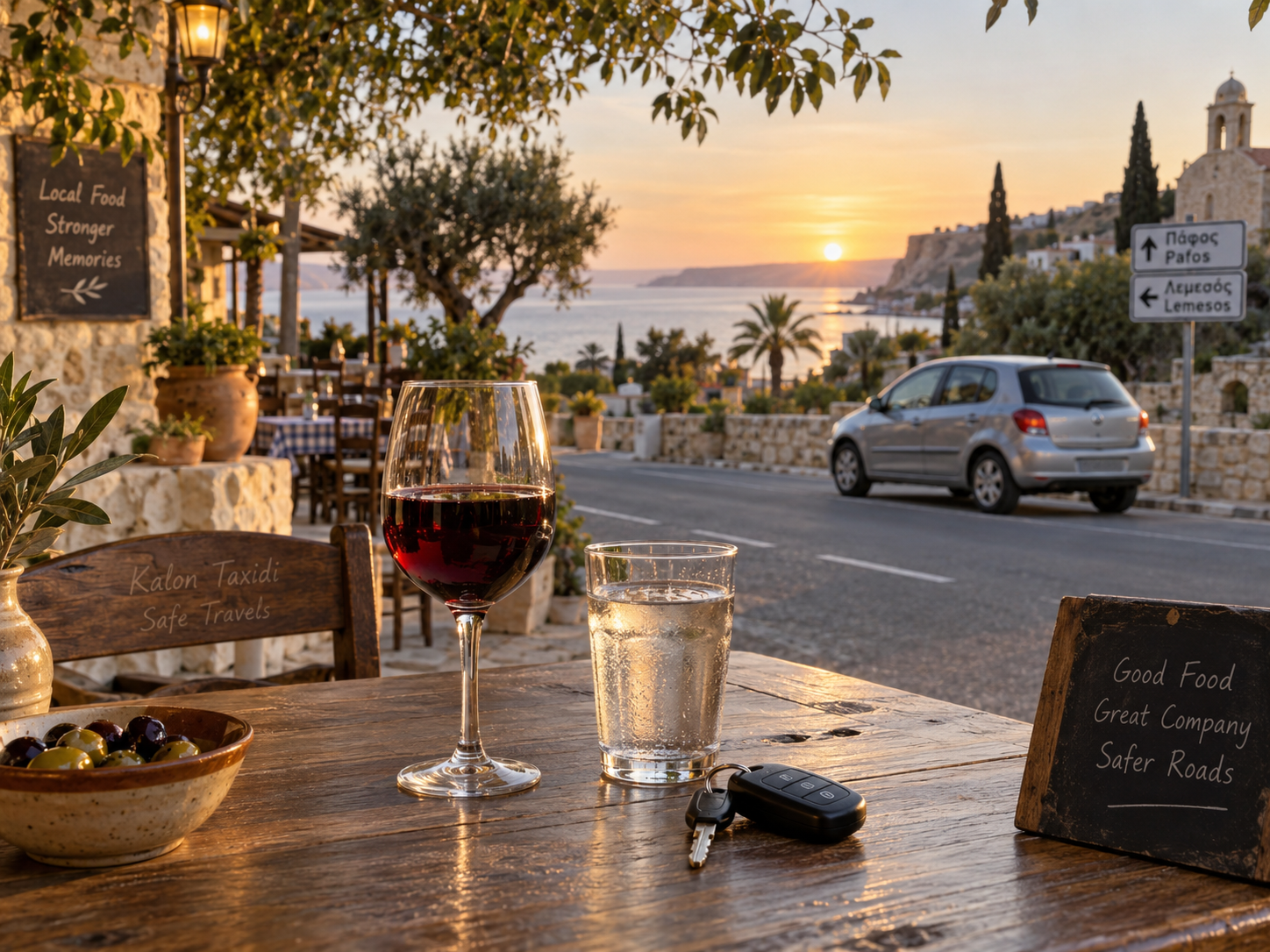
A Cyprus road trip can naturally pass through wine-producing areas, particularly around the southern slopes of Troodos.
Do not allow the convenience of having a rental car to determine how you approach wine tasting.
If you intend to drink, arrange appropriate transport or ensure the driver remains alcohol-free. A private driver, organized wine experience or another suitable arrangement may be worth the additional cost when it removes the conflict between tasting and driving.
This is one of the places where spending more can materially improve the day because it removes responsibility from the person who would otherwise need to drive.
How Season Changes The Road Trip
 Troodos Mountains in Winter
A Cyprus road trip should respond to the season rather than reproduce exactly the same schedule throughout the year.
During hotter periods, exposed archaeological sites, longer walks and inland exploration deserve thoughtful timing around heat and sun. Earlier starts, substantial midday breaks and later coastal hours may work better than continuous sightseeing.
Troodos can provide a different rhythm from the coast, although conditions should still guide your plans.
During cooler periods, archaeology, cities, villages and walking may become more prominent while swimming occupies less of the route. Mountain weather deserves greater attention, and road conditions may require flexibility.
The advantage of driving is that you can change a day when circumstances justify it.
If mountain conditions are unsuitable for what you planned, use another part of the itinerary when practical. If sea conditions affect a coastal or boat plan, the car gives you alternatives.
A route should provide structure without becoming something you obey regardless of conditions.
Our Best Time to Visit Cyprus and month-by-month Cyprus guides can help shape the trip for the period you are traveling.
Where Extra Spending Can Improve The Journey
The most useful spending usually removes friction rather than adding activity.
A well-located hotel can reduce evening driving. An automatic rental car may make an unfamiliar road environment easier for some travelers. Appropriate private transport can improve a wine-focused day. Accommodation chosen partly for its setting can make a Troodos overnight more valuable.
One-way rental arrangements may also be worth considering when available and when the terms and total cost make sense for your route, particularly if your flights use different airports. Check the specific conditions rather than assuming this will always be possible or worthwhile.
What we would not do is use a larger budget to justify a larger vehicle, more hotel changes or a denser itinerary.
Spend where the road trip becomes easier, not busier.
What We Would Not Do On A Cyprus Road Trip
We would not change hotels every night, drive to every famous beach simply because they can be connected or treat mountain villages as checkpoints on a rally route.
We would not use an ordinary rental car on questionable tracks without confirming the road, conditions and rental terms. We would not assume a route is suitable simply because a navigation app displays it, and we would not improvise the driving arrangements after drinking.
We would not make every transfer day a sightseeing marathon or choose accommodation only according to how quickly it gets us onto the next major road.
And we would not avoid efficient roads merely because this is a road trip.
Sometimes the motorway that gets you cleanly from one meaningful place to another is exactly the right road.
A scenic route should earn the additional time.
If You Have 7 Days
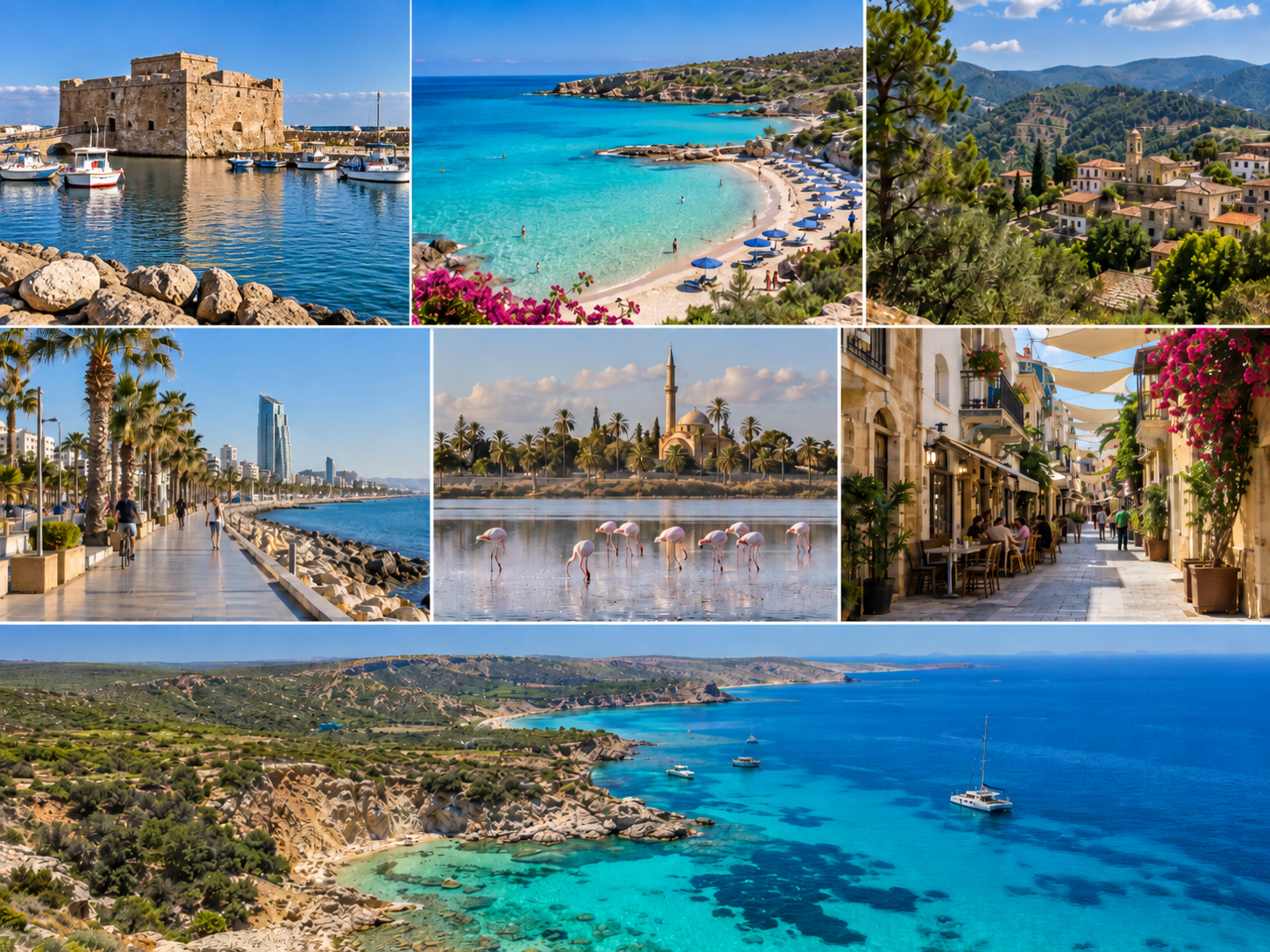
Choose a smaller section of Cyprus rather than compressing the full route.
From Paphos, western Cyprus, Limassol and Troodos can form a coherent road trip. From Larnaca, the southeast, Troodos and perhaps Nicosia can do the same when the capital belongs to your interests.
Keep the base count low and use the car to deepen the region rather than convert the week into consecutive transfer days.
Our 7 Days in Cyprus itinerary deals with the wider seven-day planning decision separately.
If You Have 10 To 12 Days
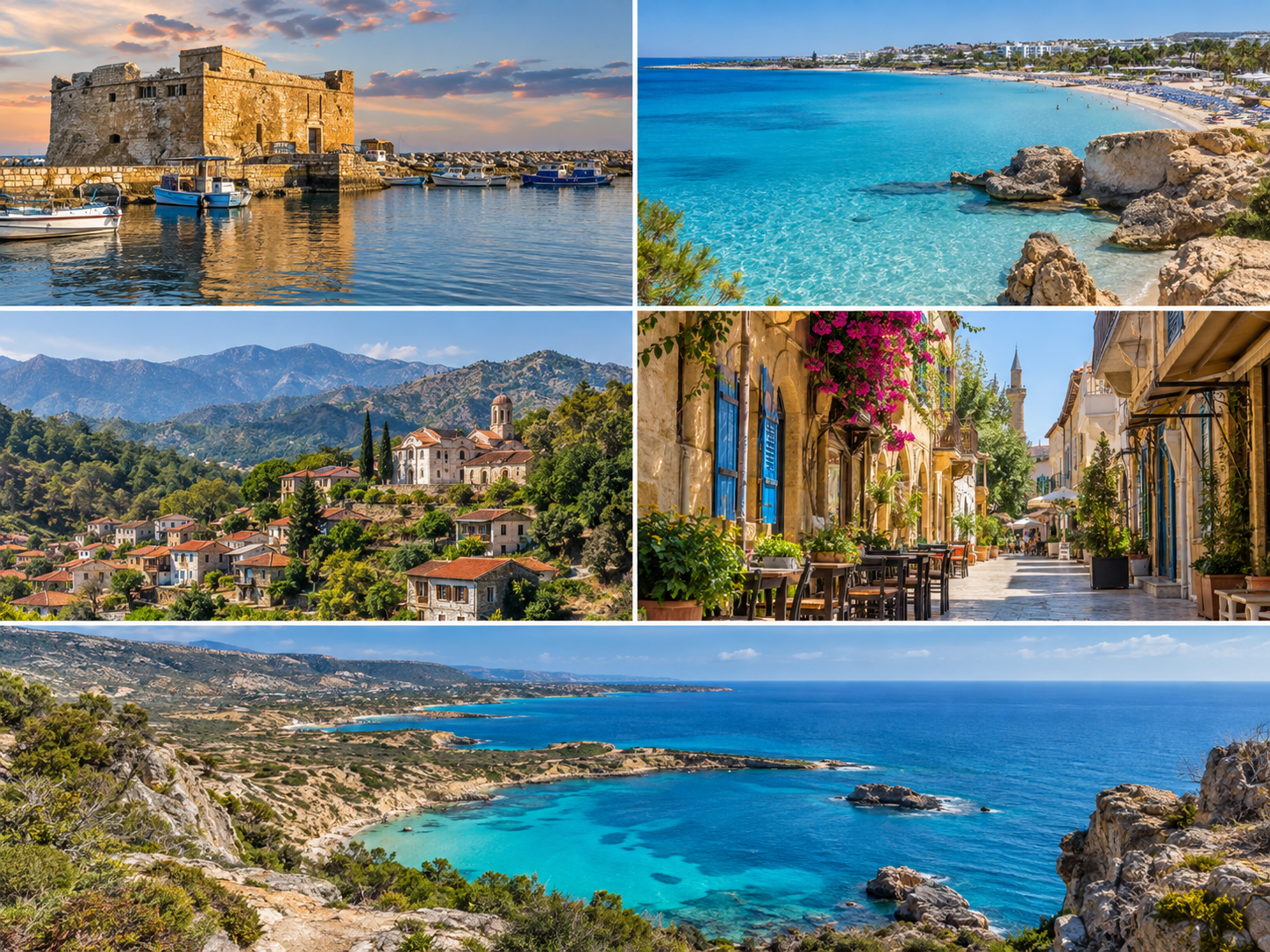
This is the natural range for the full Paphos → Limassol → Troodos → Larnaca structure.
There is enough time to give each base a purpose, include days when you barely drive and still experience several distinct versions of Cyprus.
Nicosia can become a day or overnight stay according to your interests. The southeast can receive one substantial coastal day or several nights when beaches are central to the trip.
Use additional days to stay longer before adding more bases.
That is what keeps the journey from becoming merely efficient.
If You Have 14 Days
Slow the route down.
Give Paphos another day, spend a third night in Troodos, add an overnight in Nicosia when the capital interests you or move the final accommodation closer to Protaras or Ayia Napa when repeated beach time matters more.
Most importantly, allow yourself to return somewhere.
The longer road trip should include a few places you can reach without needing to study the map again.
Our 14 Days in Cyprus itinerary develops that slower rhythm in greater depth.
A Practical Note Before You Drive
Treat this itinerary as an editorial route framework rather than a guarantee of current road, access or operating conditions.
Road works, temporary restrictions, weather and seasonal conditions can affect journeys. Mountain roads may require more care than coastal motorways, while access in more remote areas can change. Rental companies also set their own conditions regarding drivers, vehicle use, insurance and permitted roads.
Check current information for anything on which the route materially depends, particularly road access, mountain conditions, rental restrictions, booked experiences, parking requirements and airport journeys.
Follow road signs, applicable local requirements and the terms of your rental agreement. If the road, weather, vehicle or your own comfort level makes a planned section inappropriate, change the route or change the day.
A good road-trip itinerary should be able to survive that decision.
The Best Road-Trip Days Are Not Always The Days With The Most Driving
The memory of a road trip is rarely the mileage.
It is the morning when you leave the coast and notice the landscape changing. The village where lunch lasts longer than expected. The point at which the mountain road has done enough and you stop. The beach where the car remains parked until evening.
That is what the vehicle should give you: not a reason to move constantly, but the freedom to decide when movement is worthwhile.
Cyprus is compact enough for a car to create extraordinary flexibility. Use that advantage carefully.
Build a route with direction. Stay several nights where staying adds something. Let transfer days connect different versions of Cyprus rather than consume them.
And every few days, leave the car exactly where it is.